https://orcid.org/0000-0002-9220-0151
Doctoral School in Social Sciences at the Jagiellonian University, Polandhttps://orcid.org/0000-0002-9220-0151
Abstract:
TikTok, a swiftly expanding social media platform, has emerged as a potent catalyst in transforming the realm of visual communication and digital interaction. This paper explores the evolving landscape of TikTok, focusing on its technological advancements, emerging forms of expression, and distinctive features in reshaping visual communication. It delves into the platform’s unique capabilities for audiovisual messages, highlighting its transformative impact on digital culture. Through its unique blend of short-form videos, innovative build-in editing tools, and algorithmic recommendation system, TikTok has democratized content creation and consumption, enabling users worldwide to engage in creative expression and community-building. The aim of this paper is to qualitatively and exploratively delve into the structures of TikTok messages and the forms of visual communication that appear on it. The author employed deep observation and multimodal analysis for this purpose.
Keywords:
TikTok, multimodal analysis, qualitative methodology, social media, visual communication
Abstrakt:
TikTok stał się znaczącym katalizatorem przekształceń w obszarze komunikacji wizualnej oraz interakcji cyfrowej jako dynamicznie rozwijająca się i popularna platforma mediów społecznościowych. Niniejszy artykuł eksploruje ewoluującą architekturę TikToka, skupiając się na jego możliwościach komunikacyjno-technologicznych, nowo powstających formach ekspresji i charakterystycznych cechach, które przekształcają komunikację wizualną online. Celem badania jest szczegółowe przedstawienie unikalnych możliwości tej platformy w kontekście konstrukcji i charakterystyki multimodalnych komunikatów audiowizualnych (tiktoków). Poprzez kondensację treści, innowacyjne narzędzia wbudowane w wewnętrzną strukturę oraz system rekomendacji oparty na algorytmach TikTok stał się wielowymiarową platformą, która umożliwia użytkownikom i użytkowniczkom z całego świata angażowanie się w twórczą ekspresję i budowanie społeczności opartych na zaangażowaniu kreatywnym. Celem niniejszego artykułu jest jakościowe i eksploracyjne zgłębienie struktur komunikatów TikToka oraz zobrazowanie charakterystycznych dla tej platformy form komunikacji wizualnej. Autor zastosował w tym celu głęboką obserwację oraz analizę multimodalną.
Słowa kluczowe:
TikTok, analiza multimodalna, metodologia jakościowa, media społecznościowe, komunikacja wizualna
In recent years, TikTok has rapidly transformed from a niche social media platform into a global cultural phenomenon, reshaping the landscape of digital communication and entertainment (Montag, Yang, Elhai, 2021; Faltesek et al., 2023). With its innovative format of short-form videos, intuitive editing tools, and algorithm-driven content discovery, TikTok has captured the attention of users worldwide and revolutionized the way people create, consume, and interact online (Weimann, Masri, 2023). By providing a platform that empowers individuals to unleash their creativity, share their stories, and connect with others in novel ways, TikTok has fundamentally reshaped the dynamics of online interaction seen in various forms of visual communication, which is also redefining the landscape of contemporary sociological inquiry (Herrman, 2019; Kaye, Chen, Zeng, 2021; Literat, Kligler-Vilenchik, 2023). Its seamless blend of entertainment, creativity, and social connectivity has fostered a vibrant and dynamic community, transcending geographical boundaries and cultural barriers. As a result, TikTok has become not merely a social media platform but a cultural force driving profound shifts in how we perceive and engage with digital content.
Over recent years, scholars in the field of communication have increasingly directed their research efforts toward understanding the TikTok phenomenon. Amidst the diverse array of analytical perspectives and dimensions explored, a recurring consensus emerges: TikTok transcends the archetype of conventional social media platforms, assuming the role of a dynamic and efficacious communication channel tailored to the preferences of youth (Iqbal, 2021; Vaterlaus, Winter, 2021; Martinez, Brammer, Punyanunt-Carter, 2023). Unlike the perceived static and restrictive nature of established platforms such as Facebook, Instagram, or X, TikTok offers a dynamic and expansive platform uniquely suited to the proclivities of its target audience. Numerous researchers attest to TikTok’s status as one of the swiftest-growing social media platforms globally (Weimann, Masri, 2023), heralding it as an indispensable application within contemporary digital culture (Faltesek et al., 2023). Moreover, scholarly discourse emphasizes the platform’s distinctive technical architecture and unparalleled user adoption, which collectively redefine the essence and functionality of online networks (Zulli, Zulli, 2022).
While TikTok shares certain fundamental attributes with conventional and widely-used social media platforms such as Facebook, Instagram, and X – e.g., including features such as user profiles, friend lists, and the ability to share posts – its distinctive focus on video creation fundamentally alters the dynamics of social interaction and network formation within the platform (Montag, Yang, Elhai, 2021). TikTok enables users to produce and consume short-form video content, leveraging intuitive editing tools that facilitate the incorporation of music and other meme-worthy elements. It was previously observed in applications such as Musical.ly and Vines, albeit not to such an extent. TikTok’s sophisticated recommendation algorithms employ advanced machine learning techniques to curate a personalized feed tailored to each user’s preferences and interests. These algorithms analyze user behavior – such as likes, comments, and shares – to understand individual preferences and deliver content that is likely to resonate with them. By continuously learning and adapting based on user interactions, TikTok’s recommendation system ensures a dynamic and engaging user experience, contributing to the platform’s addictive nature and widespread popularity (Vaterlaus, Winter, 2021). The meme-making capabilities inherent to TikTok are frequently highlighted as a pivotal aspect in engaging its youthful user base (Kaye, Chen, Zeng, 2021; Zeng, Abidin, 2021). This emphasis on meme culture not only fosters creativity and humor, but also shapes the nature of social interaction and cultural exchange within the platform, contributing to its unique appeal and rapid ascent in popularity (going viral).
However, TikTok’s most distinctive feature lies in its unique method of content navigation. While users have the option to view posts from accounts they follow, the platform’s “For You” page offers an endless stream of videos curated based on the user’s preferences, accessible through a simple swipe-up gesture (Vaterlaus, Winter, 2021; Montag, Yang, Elhai, 2021). This algorithm-driven “For You” page operates on undisclosed algorithms, effectively eliminating the need for a substantial follower base to achieve viral success, as the algorithm prioritizes targeting videos to users with similar interests (Weimann, Masri, 2023). Consequently, TikTok users frequently attest to the platform’s captivating nature, with statements such as “I can spend forever on it without getting bored” underscoring its addictive appeal (Martinez, Brammer, Punyanunt-Carter, 2023).
This paper endeavors to investigate the influence of TikTok on visual communication, examining its remarkable ascent, unique attributes, and broad-ranging consequences for individuals, enterprises, and the broader societal landscape. These effects are evident across diverse modes of communication and the technological functionalities embedded within the application. From sparking viral trends and empowering creative expression to influencing consumer behavior and challenging traditional media paradigms, TikTok’s influence spans across various aspects of modern life (Herrman, 2019; Montag, Yang, Elhai, 2021; Faltesek et al., 2023). Through the deconstruction of TikTok’s multifaceted influence, one can extract invaluable insights into the dynamic evolution of digital culture and the future trajectory of online communication. Due to the ephemeral and constantly evolving nature of TikTok and its characteristics and interactions, the author employed the sociological qualitative approach (Konecki, 2000; Charmaz, 2009; Flick, 2018) to vividly depict the essence of visual communication and intricately illustrate the exchange of signs and symbols among users on TikTok embedded in the sociological theory of symbolic interactionism (Blumer, 1986; Trevino, Lengel, Daft, 1987). This qualitative methodology allowed for a comprehensive exploration of TikTok’s dynamic landscape, capturing the nuances of its evolving culture and facilitating a deeper understanding of the intricate web of communication unfolding within the platform. The author employed deep observation and multimodal analysis to showcase the interplay of content published on TikTok at both structural and thematic levels. This approach facilitated not only a nuanced understanding of the platform’s content dynamics but also enabled the preliminary categorization of the diverse array of contents emerging within its ecosystem. The study likewise adopts an exploratory, in-depth, sociological perspective, delving into the intricacies of TikTok while treating the research as an iterative process (Flick, 2018).
TikTok, in recent years, has emerged as a transformative force in the realm of social media, boasting a plethora of characteristics that set it apart from its predecessors and contemporaries alike (Montag, Yang, Elhai, 2021; Faltesek et al., 2023). These defining traits, ranging from its algorithmic content curation to its interactive features, collectively contribute to its widespread popularity and influence in the digital landscape. TikTok, known as Douyin in China, is a social media platform focused on audiovisual content, owned by the Chinese company ByteDance (Broderick, 2019; Kaye, Chen, Zeng, 2021). The platform was launched in September 2016, just a few months before the discontinuation of Vine, one of the biggest applications based on visual communication (Hallanan, 2018). Since its launch in 2016, TikTok (Douyin) has quickly gained popularity in East Asia, South Asia, Southeast Asia, the United States, Turkey, Russia, and other parts of the world (Iqbal, 2021). In October 2020, TikTok surpassed over 2 billion mobile downloads worldwide. Currently, this platform has about one billion monthly active users (Dean, 2024).
The technological capabilities of TikTok are continually evolving to meet the dynamic needs and preferences of its users (Weimann, Masri, 2023). One of the notable aspects of TikTok is its ever-changing interface, which undergoes frequent updates and enhancements to improve user experience and functionality. Users have the flexibility to import files from their device’s storage, enabling them to incorporate the existing media into their TikTok creations. Additionally, TikTok provides built-in editing tools and a camera interface, empowering users to create content directly within the app. Within TikTok’s editing suite, users have access to a myriad of features to enhance their videos. This includes a wide array of filters, music, narrator functions, and a voice changer, allowing users to add creative effects and audio alterations to their content. Moreover, TikTok’s editing process is divided into two stages: pre-editing and post-editing. In the pre-editing stage, users can apply various filters, text overlays, stickers, and other elements to their videos before recording them. This allows for real-time previewing and customization of the content before it is finalized. In the post-editing stage, users can further refine their videos by applying additional effects, editing the audio, adjusting the timing, and making other modifications after the recording is complete (Kułaga, 2024b).
Overall, TikTok’s technological capabilities enable users to unleash their creativity and produce engaging and visually-captivating contents directly within the app (Zulli, Zulli, 2022; Literat, Kligler-Vilenchik, 2023). With its intuitive editing tools, extensive library of filters and effects, and seamless integration of pre-editing and post-editing features, TikTok empowers users to express themselves and connect with others in innovative ways on the platform. The “react” feature allows Internet users to record their reactions to specific videos, while the “duet” feature allows recording a video alongside another video. This feature was a characteristic one of the Musical.ly platform and is only possible when both parties adjust their privacy settings (Carson, 2016). However, it is worth focusing on the main video editing panel, which is displayed after clicking the “+” symbol, indicating the desire to add one’s own content to the service. TikTok presents users with a wide range of tools to enhance their messages. Here are several examples:
At the heart of TikTok’s allure lies its algorithmic prowess, woven seamlessly into the fabric of the entire application (Klug et al., 2021; Zhao, 2021; Weimann, Masri, 2023). These technological capabilities are intrinsic to the platform’s functionality, enhancing every aspect of the user experience and enabling seamless interaction and content creation. Unlike traditional social media platforms that rely on chronological timelines or user-following models, TikTok employs sophisticated algorithms to deliver personalized content feeds tailored to each user’s preferences (Zhao, 2021). The platform’s “For You” page epitomizes this approach, serving as a gateway to a curated stream of videos meticulously selected based on factors such as user behavior, engagement metrics, and content relevance. By leveraging machine learning and data analytics, TikTok ensures that users are consistently exposed to content that aligns with their interests, thereby maximizing engagement and retention (Klug et al., 2021; Weimann, Masri, 2023). Conversely, this function of algorithms may induce filter bubbles (Bruns, 2019) or epistemic bubbles (Nguyen, 2020).
Integral to TikTok’s identity is its embrace of short-form video content. Unlike the long-form content prevalent on platforms such as YouTube or Facebook, TikTok’s videos are brief, typically lasting from several to several tens of seconds (but longer ones, lasting up to 10 minutes, also appear). This brevity fosters a culture of concise storytelling, enabling users to convey their messages quickly and creatively. Moreover, the platform’s user-friendly editing tools empower creators to experiment with visual effects, audio overlays, and other creative elements, further enhancing the appeal of short-form video creation on TikTok.
A cornerstone of TikTok’s success is its vibrant ecosystem of user-generated content (Kułaga, 2024a). From amateur filmmakers and comedians to professional artists and influencers, TikTok provides a platform for users of all backgrounds to express their creativity. This democratization of content-creation not only fosters a sense of inclusivity and diversity, but also cultivates a thriving community of creators and consumers alike. By blurring the lines between content creator and consumer, TikTok empowers users to become active participants in shaping the platform’s culture and identity.
Central to TikTok’s interactive nature are its diverse features designed to foster engagement and social interaction. Whether through “duet”, reactions, challenges, or filters, TikTok offers users numerous opportunities to collaborate with others, respond to content, and participate in viral trends. These interactive elements not only enhance user engagement, but also promote a sense of community and camaraderie among users. By facilitating connections and conversations, TikTok transcends its role as a mere social media platform, evolving into a dynamic digital ecosystem where users can connect, communicate, and collaborate in new and exciting ways.
The researcher adopted qualitative methodology (Creswell, Clark, 2011; Flick, 2018), driven by the imperative to acquire comprehensive insights into the phenomenon under investigation, which is also embedded in sociological research because the TikTok platform is a unique space for the exchange of signs and symbols among users, displaying distinct social aspects. The pivotal rationale and motivation behind selecting this research approach stems from the dynamic, process-oriented nature of TikTok, necessitating an in-depth exploration. Consequently, the study assumes an exploratory stance (Charmaz, 2009), with its primary objective being the discovery and identification of new forms of visual communication while also illuminating the essence of TikTok, its architecture, and specifics. The study thus adopted a netnographic, sociological, and autoethnographic character (Ellis, Adams, 2014; Le Roux, 2017), employing qualitative strategies to systematically explore the evolving landscape of TikTok’s visual communication. Netnography, as a methodological approach, involves the observation and analysis of online communities and digital spaces to understand social phenomena, behaviors, and interactions. Through this lens, researchers can uncover valuable insights into the intricate dynamics of the TikTok culture, the emergence of new communication forms, and the ways in which individuals engage with and shape the platform’s content landscape (Kozinets, 2015).
Throughout the entire month (January 2024), the researcher systematically dedicated daily two-hour sessions to reviewing contents on the TikTok platform, aiming to identify the characteristic features of the videos present on the platform. Informed by qualitative sociological methodology rooted in the principles of netnography, the study was guided by commitment to deep observation (Gold, 1958; Kozinets, 2015). Using the research journal, the author systematically recorded preliminary categories relating to certain regularities in the forms of diverse visual contents on TikTok. Over the course of the observation period, these categories evolved through broader conceptualization or the addition of new aspects. As a result, 18 categories related to the form of audiovisual files present on the TikTok platform were developed. Due to the iterative nature of the study (Flick, 2018), research questions emerged during the exploration of the research field.
The questions are as follows:
Guided by the dynamic and intricate nature of TikTok, the researcher undertook a study employing a qualitative multimodal analysis (O’Halloran, 2011; Halliday, Matthiessen, 2013), complemented by deep observation. This methodological triangulation not only allows for a comprehensive examination of TikTok’s forms of expression, but also facilitates the identification of shared characteristics. Consequently, this methodological framework serves as a robust foundation for future research endeavors that delve into the intricate evolution of visual communication and TikTok’s structure. Multimodal analysis facilitated a comparison of TikTok messages to pictorial, conventional forms prevalent on the Internet in terms of their structural attributes, thereby illustrating the nature and distinctive features of TikTok. The researcher selected Internet memes due to their status as the smallest cultural unit in the online sphere (Kamińska, 2011; Shifman, 2014; Kułaga, 2024a). The researcher took the stance that a meme can be defined as a digitized unit of information, widely circulated on the Internet, subject to copying, modification, and subsequent publication in this altered form. With their often humorous nature, memes offer insight into human emotions and sentiments, serving as a vital conduit of information within the media sphere (Kamińska, 2011; Shifman, 2014). Therefore, by comparing memes on TikTok with traditional ones, it will be easier to discern technological differences. This choice aligns with the aim of the study to scrutinize the technological nuances inherent in TikTok’s visual communication landscape, shedding light on its distinctive features and structural dynamics. Observation, on the other hand, enabled the categorization of communication forms on TikTok. The researcher maintained a research diary to document observations and initial categories, which were subsequently analyzed and refined.
The consideration of a multimodal analysis, however, requires some complementation. Following Lisowska-Magdziarz’s words that multimodal theory is to some extent an offshoot of semiology and shares with it the object of interest, which is the production and use of signs by people and the representational practices that have grown up on this basis (Lisowska-Magdziarz, 2018: 147), the researcher focused on the user practices of projecting expression forms evident on TikTok. It is legitimate in this case to apply a multimodal analysis to decipher layers and verbal-visual elements, to distinguish modes and to chart their order and relationship in the memes. As a result, 20 static (pictorial) memes and 20 video memes, characteristic of TikTok, were subjected to multimodal analysis. They were selected from TikTok and from a Facebook group where users share memes. The criterion for selection was their popularity.
Let us delve into the operationalization of the terms “mode”, “modus”, and “element”, which the author of this paper employed interchangeably. One intriguing cognitive perspective suggests that modes are shaped through the prolonged collective utilization of a resource, resulting in the development of specific sign repertoires that have been socially tested and adapted for communication within a particular community. Modus, therefore, emerges when a semiotic resource is organized through sustained collective use (Constantinou, 2005; O’Halloran 2011; 2013; Halliday, Matthiessen, 2013; Chandrasekaran, Nguyen, Hemanth 2021). This theoretical framework for modes allowed the author to identify the primary moduses inherent to online messages, which are highly relevant to the employed methodology and research tools. From the researcher’s viewpoint, the components of a multimodal message can manifest as dynamic and static images, non-image visual communication (such as gestures), written text, spoken discourse, sounds, music, filters, or animation. It is important to reiterate that multimodal messages encompass a combination of moving and static images, non-image visual communication, written text, sounds, music, and more. These elements are linked by various relationships, representing the constituent parts (modes) of a given message. The analysis of modes in TikTok’s contents can provide insights into the complex and dynamic nature of the platform’s memes, as these often combine several modes of communication to create impactful messages.
TikTok serves as a dynamic and ever-changing environment, prompting the researcher to approach it not solely through the lens of investigation, but also as an active participant and observer. It is essential to underscore that the objective of this analysis is not to generalize findings but, rather, to qualitatively delve into the phenomena and intricacies inherent within the structures of TikTok. Therefore, this approach aims to provide a general characterization of TikTok and to illustrate its dynamics and distinctive features of the messages published therein.
TikTok, as a platform, has emerged as a vibrant hub of creative expression, fostering a diverse array of content-creators who continually push the boundaries of innovation in the digital landscape. In this exploration of TikTok’s forms of expression, the researcher delved into the dynamic and ever-evolving nature of this platform, where users engage in multifaceted modes of communication, ranging from short-form videos to interactive challenges and trends. By examining the various forms of expression on TikTok, the researcher sought to uncover the underlying mechanisms driving creativity, interaction, and cultural exchange within this unique digital ecosystem. Throughout this analysis, the researcher aimed to illuminate the distinct characteristics and evolving trends that define TikTok as a dynamic platform for self-expression and social engagement.
Firstly, prior research (Kulaga, 2024a) had shed light on the intricate landscape of visual communication on TikTok, revealing a fundamental categorization into two distinct types: original and derivative contents. This classification underscores the dynamic interplay between creativity and imitation within the platform’s content ecosystem. Additionally, TikTok hosts a diverse array of audiovisual files, encompassing both videos and images, each contributing uniquely to the rich tapestry of contents shared and consumed by its global audience. Understanding these distinctions provides valuable insights into the evolving nature of user-generated content on TikTok and its implications for digital culture and social interaction. However, the aforementioned categories serve as a starting point for a more detailed exploration of visual communication forms on TikTok, as illustrated in Table 1.
Table 1. TikTok’s forms of visual communication
| NPC content | Daily influencers (vlogs) | Battles |
|---|---|---|
| NPC content on TikTok revolves around users adopting non-player character (NPC) personas, often inspired by popular culture, memes, or fictional characters. This content is frequently showcased during live streams, where users engage in various gestures and actions in response to receiving gifts, which is a characteristic feature of the TikTok platform. These videos often depict individuals portraying characters with distinctive traits or behaviors, mimicking scripted interactions commonly found in video games or media. NPCs may engage in comedic dialogs, reenact scenes from movies or TV shows, or perform scripted actions, adding a humorous or satirical twist to the content. These videos frequently incorporate relevant hashtags to facilitate discoverability and encourage user participation. Through NPC content, users can express their creativity, humor, and storytelling abilities while engaging with trending themes and cultural references within the TikTok community. | Daily influencers on TikTok are content-creators who regularly share videos showcasing their daily routines, experiences, expertise, or insights. These influencers often gather loyal followers by offering glimpses into their everyday lives, sharing tips, advice, or entertaining anecdotes. Their content may cover various topics, including fitness, cooking, fashion, beauty, or lifestyle. Daily influencers leverage their authenticity, relatability, and consistency to connect with their audience and establish themselves as trusted sources of inspiration or entertainment. Through their consistent presence and engaging contents, they may cultivate a sense of community and foster meaningful interactions with their followers. Additionally, daily influencers often collaborate with brands, participate in sponsored campaigns, or monetize their content through partnerships or affiliate marketing, leveraging their influence to promote products or services to their engaged audience. | Battles on TikTok involve two or more users engaging in a live broadcast, where viewers actively participate by tapping on the screen to support their favorite participant. Additionally, viewers can enhance their engagement by sending virtual gifts or interactive elements during the battle. These gifts can range from digital stickers to virtual coins, which users can purchase or earn within the platform. The interaction between participants and viewers adds an interactive and competitive dimension to the live battle, fostering a sense of community and excitement among the audience. The participants often showcase their talents, skills, or creativity during these battles, aiming to capture the attention and support of viewers. The dynamic nature of live battles on TikTok creates an immersive experience for both participants and viewers, contributing to the platform’s vibrant content ecosystem. |
| Funny videos | Mash-ups | Content-oriented creators |
| Funny videos on TikTok encompass a wide range of content designed to entertain and evoke laughter among viewers. These videos often feature humorous skits, pranks, comedic challenges, or cleverly edited clips that capitalize on trending jokes or cultural references. Creators leverage various comedic techniques, such as slapstick humor, wordplay, visual gags, or absurd scenarios, to elicit laughter and engagement from their audience. Additionally, funny videos may incorporate special effects, filters, or editing tricks to enhance their comedic appeal. The brevity of TikTok’s format encourages creators to deliver quick, punchy content that delivers laughs in a matter of seconds, making it easily consumable and shareable across the platform. Furthermore, the platform’s algorithmic feed promotes the discovery of funny videos tailored to each user’s interests, ensuring a steady stream of comedic content that resonates with diverse audiences. As a result, funny videos play a significant role in shaping TikTok’s vibrant and lighthearted community, fostering connections through shared laughter and entertainment. | Mash-ups on TikTok involve combining multiple audio tracks, video clips, or visual elements to create innovative and entertaining content. Creators use editing tools within the app to seamlessly blend different media sources, resulting in unique and engaging compositions. These mash-ups can take various forms, including lip-syncing to music while incorporating comedic gestures or dance moves, overlaying dialog from movies or TV shows onto unrelated footage, or juxtaposing contrasting visuals for humorous or artistic effect. The creative freedom afforded by TikTok’s editing features allows users to experiment with different combinations of content to produce compelling mash-up videos. Additionally, TikTok’s vast library of audio clips, sound effects, and user-generated music provides a rich source of inspiration for creators seeking to craft memorable and shareable mash-up content. By leveraging the platform’s editing capabilities and diverse media resources, creators can produce mash-ups that entertain, inspire, and resonate with audiences worldwide, contributing to TikTok’s dynamic and creative community. | Content-oriented creators on TikTok focus on producing videos cantered around specific themes, topics, or niches to engage their audience and build a following. These creators often specialize in particular genres, such as comedy, fashion, cooking, gaming, fitness, or educational content, tailoring their videos to cater to the interests and preferences of their target audience. They regularly upload content that aligns with their chosen niche, leveraging TikTok’s various features, such as filters, effects, and soundtracks, to enhance the quality and appeal of their videos. Content-oriented creators may also collaborate with other creators, participate in trends and challenges, and engage with their audience through comments, likes, and shares to foster community interaction and growth. By consistently delivering high-quality and relevant contents, these creators establish themselves as authorities or influencers within their respective niches, attracting followers who share similar interests and values. Through their creative and engaging videos, content-oriented creators contribute to the diverse and vibrant ecosystem of content on TikTok, enriching the platform with a wide range of entertaining and informative content for users to enjoy. |
| Challenges | Duet | Lip-syncing |
| Challenges on TikTok are interactive trends or activities that invite users to participate by creating and sharing their own content based on a specific theme, concept, or task. These challenges typically originate from popular trends, memes, or songs and are often associated with a designated hashtag to facilitate discovery and participation. Users are encouraged to put their own creative spin on the challenge, whether it involves dancing, lip-syncing, comedy skits, DIY projects, or other forms of content creation. Challenges may also include specific instructions or prompts for users to follow, such as performing a particular dance routine, recreating a viral meme, showcasing a talent, or sharing a personal story. The participants can engage with challenges by filming and editing their videos using TikTok’s built-in editing tools, filters, effects, and soundtracks to enhance their content. Challenges provide an opportunity for users to showcase their creativity, connect with others, and potentially go viral by participating in popular trends or creating original content that resonates with a wider audience. As users engage with challenges, they contribute to the ever-evolving and dynamic culture of TikTok, driving engagement, interaction, and community participation on the platform. | The “duet” feature on TikTok allows users to collaborate with each other by creating split-screen videos that are synchronized to play simultaneously. This feature enables users to engage in creative interactions with other TikTok creators, whether they are friends, followers, or collaborators. To create a duet video, users can select the “duet” option when viewing another user’s video, which prompts TikTok to open the recording interface with the original video displayed alongside a blank space for the user’s contribution. Users can then record their part of the “Duet” video while watching the original video, allowing for seamless synchronization between the two clips. “Duet” videos often involve users responding to or interacting with each other’s content in creative ways, such as singing duets, performing skits, engaging in a dialog, or showcasing complementary talents. The “duet” feature may encourage collaboration and co-creation among TikTok users, fostering a sense of community and camaraderie on the platform. Additionally, “duet” videos can help users increase their visibility and reach by leveraging the audiences of both collaborators, leading to enhanced engagement and interaction with their content. | Lip-syncing on TikTok involves users syncing their lips with pre-recorded audio clips, typically songs, dialogs, or soundbites from movies, TV shows, or viral videos. This feature allows users to create engaging and entertaining content by mimicking the vocals or dialog of the audio clip while recording themselves on camera. Lip-syncing videos often showcase users’ creativity, personality, and performance skills as they interpret and express themselves through the chosen audio. The process of lip-syncing on TikTok involves selecting an audio clip from the app’s extensive library or uploading a custom sound, then recording a video while mouthing the words or expressions in sync with the audio. The users can also add visual effects, filters, and other enhancements to enhance their lip-syncing videos and make them more engaging. Lip-syncing has become one of the most popular and recognizable forms of content on TikTok, with users of all ages and backgrounds participating in the trend. Whether it is singing along to their favorite songs, reenacting iconic movie scenes, or performing comedic skits, lip-syncing allows users to express themselves creatively and connect with their audience in a fun and entertaining way. |
| Comedy skits | DIY and tutorials | Dance routines |
| Comedy skits on TikTok are short, humorous videos created by users to entertain their audience. These skits typically feature comedic scenarios, jokes, or punchlines performed by the creator or a group of participants. Comedy skits can vary widely in style and content, ranging from scripted sketches to improvised scenes, parody videos, and slapstick humor. Users often incorporate popular trends, memes, or cultural references into their comedy skits to make them relatable and engaging for their audience. Additionally, comedy skits on TikTok frequently utilize editing techniques, sound effects, music, and visual effects to enhance the humor and entertainment value of the videos. Comedy skits are a popular form of content on TikTok, attracting millions of views and engagements from users around the world. They provide creators with a platform to showcase their comedic talent, creativity, and personality while entertaining their followers with light-hearted and amusing contents. | DIY (Do It Yourself) and tutorials on TikTok encompass a wide range of instructional videos created by users to demonstrate various skills, techniques, and creative projects. These videos typically provide step-by-step guidance on how to complete a particular task, create a specific item, or learn a new skill. DIY and tutorial content on TikTok covers diverse topics such as crafting, cooking, beauty, fashion, home improvement, and more. Creators often leverage the platform’s short-form video format to deliver concise and visually-engaging tutorials that are easy for viewers to follow and replicate. They may use text overlays, voiceovers, captions, and on-screen annotations to provide additional instructions and explanations. DIY and tutorial videos on TikTok aim to inspire and empower users to explore their interests, unleash their creativity, and acquire new knowledge and abilities. They serve as educational resources, offering practical tips, hacks, and ideas to help viewers accomplish their DIY projects and learn valuable skills in a fun and accessible way. | Dance routines on TikTok are a prominent and widely popular form of content where users choreograph and perform various dance sequences to music tracks. These routines can range from simple movements to complex choreography and encompass a diverse array of dance styles, including hip-hop, jazz, contemporary, and more. The users often participate in dance challenges or create their own routines, which they then share with their followers and the broader TikTok community. Dance routines on TikTok are characterized by their creativity, energy, and expression, with users showcasing their dance skills, creativity, and personality through their performances. Many dance routines on TikTok go viral, attracting millions of views, likes, and shares, and contributing to the platform’s vibrant dance culture. Additionally, TikTok has become a hub for dance trends and challenges, with users constantly innovating and building upon existing routines to create new viral sensations. As a result, dance routines play a significant role in shaping the cultural landscape of TikTok and fostering a sense of community and connection among users who share a passion for dance and music. |
| Art and drawing | Educational content | Storytelling |
| Art and drawing content on TikTok encompass a wide range of creative expressions, from traditional drawing and painting techniques to digital art and animation. Artists and creators use the platform to showcase their artistic talents, share their creative process, and engage with fellow art enthusiasts. TikTok’s short-form video format allows artists to provide glimpses into their artwork, from initial sketches to finished pieces, in a visually-captivating and accessible manner. Some artists create time-lapse videos of their work, while others offer tutorials and tips on various art techniques, providing valuable insights and inspiration to aspiring artists. Additionally, TikTok has emerged as a platform for collaborative art projects, where multiple artists collaborate on a single artwork or participate in themed challenges to create cohesive and visually-striking pieces. Art and drawing content on TikTok often receives widespread recognition and appreciation from the community, with users celebrating the diversity and creativity of artistic expression on the platform. Overall, TikTok serves as a vibrant and inclusive space for artists to share their passion for art, connect with like-minded individuals, and inspire others to explore their creative talents. | Educational contents on TikTok encompass a diverse array of topics and formats, ranging from quick tutorials and informative videos to engaging lectures and thought-provoking discussions. Educators and content creators leverage the platform to share valuable knowledge, insights, and expertise on a wide range of subjects, catering to audiences of all ages and backgrounds. TikTok’s short-form video format provides a convenient and accessible medium for delivering educational content, allowing creators to distill complex concepts into bite-sized, easily digestible segments. From science and history to mathematics and language learning, TikTok offers a wealth of educational resources that entertain, inform, and inspire viewers worldwide. Furthermore, TikTok’s interactive features, such as live streams, Q&A sessions, and duet collaborations, enable creators to engage directly with their audience, fostering a dynamic and interactive learning environment. Educational contents on TikTok continue to grow in popularity, with users appreciating the platform’s capacity to make learning fun, engaging, and accessible to everyone. As a result, TikTok has emerged as a valuable educational tool, empowering individuals to expand their knowledge, skills, and horizons in innovative and exciting ways. | Storytelling on TikTok is a vibrant and dynamic form of expression that captivates audiences with compelling narratives, personal anecdotes, and creative storytelling techniques. From heartfelt reflections to humorous anecdotes and suspenseful dramas, TikTok creators use the platform to share stories that resonate with viewers at a deep and emotional level. With its short-form video format, TikTok challenges creators to distill their narratives into concise and engaging clips, often accompanied by music, sound effects, and visual effects to enhance the storytelling experience. Storytelling on TikTok transcends traditional boundaries, allowing creators to explore a diverse range of themes, perspectives, and genres, from slice-of-life vignettes to fantastical adventures and everything in between. Whether sharing personal experiences, fictional tales, or cultural traditions, TikTok storytellers captivate audiences with their creativity, authenticity, and ability to evoke emotions in just a few seconds. Through storytelling, TikTok creators connect with viewers at a profound level, fostering a sense of empathy, community, and shared humanity in the digital realm. As storytelling continues to evolve on TikTok, creators have the opportunity to explore new narrative techniques, experiment with innovative storytelling formats, and engage audiences in meaningful and memorable ways. |
| ASMR (Autonomous Sensory Meridian Response) | Live streams | Marketing content (companies, ads) |
| ASMR, or Autonomous Sensory Meridian Response, has become a popular genre on TikTok, offering users a unique auditory and sensory experience. ASMR content typically features soft, soothing sounds and gentle whispers that are designed to induce relaxation and tingling sensations in viewers. Creators on TikTok use a variety of techniques to create ASMR videos, including tapping, scratching, brushing, and whispering, often accompanied by visual triggers such as hand movements or close-up shots of objects. ASMR videos on TikTok cover a wide range of themes and scenarios, from simple triggers like tapping on objects to more elaborate roleplaying and storytelling experiences. Viewers often use ASMR content as a form of stress relief, relaxation, or sleep aid, finding comfort and tranquility in the gentle sounds and calming atmosphere created by ASMR creators. With its short-form video format, TikTok provides a platform for ASMR creators to share their unique sounds and sensations with a global audience, fostering a sense of connection and community among viewers who share a common appreciation for ASMR content. | Live streams on TikTok provide users with a dynamic and interactive platform for real-time engagement and content creation. Unlike pre-recorded videos, live streams allow creators to connect with their audience in the moment, fostering a sense of immediacy and authenticity. During live streams, creators can broadcast a wide range of contents, from casual chats and Q&A sessions to live performances, tutorials, and behind-the-scenes glimpses into their daily lives. Viewers have the opportunity to interact with creators through live comments, likes, and virtual gifts, enabling direct communication and feedback. Live streams often feature spontaneous moments, unscripted interactions, and shared experiences that contribute to a sense of community and connection among viewers and creators. Additionally, TikTok’s live streaming platform offers various features and tools to enhance the viewing experience, such as filters, effects, and followers appearances. With its emphasis on real-time engagement and shared experiences, live streaming has become an integral part of the TikTok ecosystem, providing creators with a dynamic platform to showcase their talents, build relationships with their audience, and cultivate a loyal fan base. As live streaming continues to evolve and grow in popularity, TikTok remains at the forefront of innovation, offering new opportunities for creators to engage with their audience and create memorable live experiences. | Marketing content on TikTok encompasses a diverse array of strategies employed by companies and brands to engage with users and promote their products or services. With its massive user base and highly engaged audience, TikTok offers companies a unique opportunity to reach potential customers in an authentic and creative way. Marketing content on TikTok often takes the form of sponsored posts, branded challenges, influencer partnerships, and native advertisements integrated seamlessly into users’ feeds. Companies leverage TikTok’s platform to create engaging and entertaining content that resonates with their target audience, leveraging popular trends, memes, and challenges to increase brand awareness and drive engagement. Influencer marketing is particularly prevalent on TikTok, with brands collaborating with popular creators to endorse their products or services to their followers. These collaborations often result in sponsored posts, product reviews, or branded content that feels authentic and relatable to the audience. Additionally, TikTok’s advertising platform allows companies to run targeted ad campaigns, reaching specific demographics based on user interests, behaviours, and demographics. From sponsored hashtag challenges to native video ads, companies can leverage TikTok’s advertising tools to create compelling marketing campaigns that capture users’ attention and drive results. As TikTok continues to evolve as a key marketing platform, companies are increasingly investing in creative and innovative strategies to connect with users and build brand loyalty in the fast-paced world of social media. |
Source: own elaboration.
The table delineates 18 categories derived from comprehensive observation, each detailing unique forms of expressive communication. Consequently, these categories not only manifest a spectrum facilitated by technological affordances, but also underscore the cultural dimension and user engagement, reflecting nuanced facets of creative participation. Particularly noteworthy is the vast reach of videos, spanning from professionally-crafted messages by major corporations, ads, to scientific contents and even NPC (non-player character) contents. Particular attention is warranted for the latter, which constitutes a unique phenomenon in the TikTok space, characterized by a form of creation and enactment. In comparison to vlogs and storytelling, NPC contents present an intriguing research aspect and highlight the richness of contents emerging on TikTok. This categorization, of course, is subject to the period of ongoing observations and, considering the ever-changing landscape of TikTok, may undergo modifications. It serves to illustrate the types of visual communication emerging on TikTok.
A multimodal analysis, in turn, allowed for a closer examination of TikTok’s structures. In comparison to image forms of visual communication based on image memes, the researcher delineated differences and commonalities between TikTok videos and image-based visual communication on the Internet, as illustrated in Table 2. This approach illuminated aspects related to the research questions concerning the structure, form, and modes present in the analyzed material.
Table 2. The comparison of formal features from the analyzed picture memes and video memes
| Image forms of visual communication based on image memes | Video forms of visual communication based on video memes | |
|---|---|---|
| Base form | Image/photo | Audio-visual material (recorded or imported) |
| Average number of modes | 2.3 | 4.8 |
| Multimodality | Yes | Yes |
| Visible modes |
- Written communication - Photograph/picture - Facial expression - Emoji - Visual aspects (tattoos, etc.) |
- Written communication - Video - Music - Voice - Facial expressions and gestures - Dance - Props/artifacts (e.g., phone in hand) - Green screen - Animations - Filters (either visible in the video or superimposed on the voice) |
| Dominant modus | Photo/image | Video |
| Technological tools used |
- Collage - Emoji on a photo |
- Face modifying filter - Green screen - Animation - Voice modification filter - Visual effects - Music effects |
| Technological possibilities of the channel |
- Pre-editing - Possibility to import external material - Option to generate original material - Option to add music - Filters - Labels - Emojis |
- Pre-editing - Post-editing - Possibility to import external material - Option to generate original audiovisual material - Option to add narrator - Option to add music - Option to add animation - Filters - Labels - Polls - Emojis - Green screen - Possibility to use multiple shots in one message |
| Multisensory | No | Yes |
| Average duration | It depends on the time of reading the message | 0:16 |
| Intertextuality | Yes | Yes |
| Relationships between modes |
- Reinforce each other - Complement each other - Clarify each other - Have an empty relationship with each other |
- Reinforce each other - Complement each other - Clarify each other - Have an empty relationship with each other - Introduce ambiguity - Conflict with each other |
| Modes functions | Intensifying and enriching the message | Intensifying and enriching the message |
| Text layer | Numerous abbreviations, colloquialisms, Anglicisms, often incorrect grammar and punctuation | Numerous abbreviations, colloquialisms, Anglicisms, often incorrect grammar and punctuation |
| User-created content | Yes | Yes |
| Image forms of visual communication based on image memes | Video forms of visual communication based on video memes | |
| Cohesion and coherence | Yes | Yes |
| Intentionality | Unknown | Unknown |
| Acceptability | Yes | Yes |
| Informativeness | Yes | Yes |
| Situationality | Yes | Yes |
| Variation | Yes | Yes |
| Anonymity | No | No |
| Colloquiality | Yes | Yes |
| Collectivity | Yes | Yes |
| Orality (secondary) | Yes | Yes |
| Artistry | Yes | Yes |
| Ephemerality | Yes | Yes |
Source: own elaboration.
The conducted comparative analysis elucidates that the notable distinctions between image forms of visual communication based on picture memes and video forms based on video memes on TikTok primarily revolve around formal aspects. These disparities encompass fundamental structural elements such as the inherent form, average mode count, mode categories, technological capabilities of respective communication channels, and the employed technological solutions. It can be inferred that users predominantly exploit the unique communication tools and technological solutions specific to given platform (Facebook, X, Instagram, or TikTok). It is also worthwhile to elucidate the structural dependencies through which the author constructed a tabular comparison of visual communication forms in Table 2. Figure 1 illustrates the process of multimodal analysis for each, delineating modes, defining their relationships graphically, and determining dependencies. Consequently, the specific audiovisual format, whether static or dynamic, is inherently intertwined with the technological-communicative trends and capabilities of the digital platform.
Moreover, the comparative analysis incorporated the attributes of Internet memes as a media genre, drawing from Marta Wójcicka’s framework, which encompasses cohesion and coherence, intentionality, acceptability, informativeness, situationality, variation, anonymity, colloquiality, collectivity, orality (secondary), and artistry (Wójcicka, 2020). These attributes demonstrated consistent characteristics across both static and dynamic memes. The sole distinguishing factor observed within the analyzed messages was the introduction of multisensoriality. In summary, it is evident that image and video forms of visual communication share numerous commonalities across various dimensions. Both meme types exhibit a parallel reliance on the image’s dominant mode, adhere to similar textual layer formats, and serve comparable mode functions. They also align with the principles of user-created content, thus reflecting the evolving landscape of visual culture and digital expression.
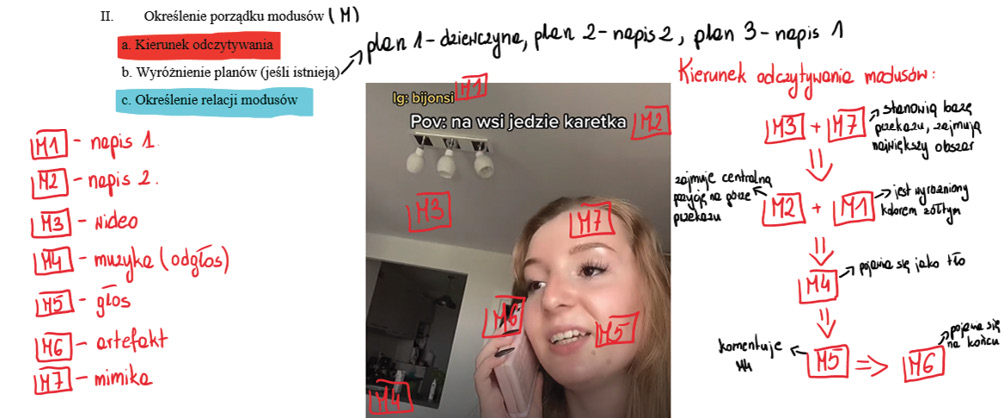
Figure 1. An example of multimodal analysis
Source: own elaboration.
In summary, the multimodal analysis and meticulous observation have provided insights into the intricate structures of TikTok, shedding light on its diverse visual communication forms and the underlying framework of video content prevalent within this application. This has not only allowed for the depiction of TikTok’s architecture, but also facilitated the showcasing of creative participation and the categorization of expressive forms within it.
TikTok has emerged as a transformative force in the realm of social media, showcasing its unparalleled ability to captivate global audiences with its innovative format and dynamic content. The platform’s exponential growth underscores its significance as a cultural and sociological phenomenon, reshaping digital communication and entertainment landscapes. With its diverse array of expressive forms, ranging from original creations to derivative works, TikTok offers users a platform for creative self-expression and engagement. Moreover, its technological advancements, coupled with algorithm-driven content discovery, have redefined user interaction paradigms. TikTok’s success lies not only in its technological innovation, but also in its ability to foster vibrant communities and facilitate genuine connections among users worldwide.
The research endeavors sought to delve into the structural intricacies of TikTok while dissecting its communicative content. Consequently, these communications are marked by their succinct, visually-captivating nature, leveraging the technological affordances integrated into the application’s interface, including but not limited to greenscreens, filters, and effects. Notably, these features undergo continual evolution, undergoing modifications daily. Furthermore, TikTok encompasses visual messages in the form of auto-scrolling image sequences or memes, often complemented by accompanying music and TikTok-specific effects. Thus, it becomes evident that the technological capabilities embedded within this platform profoundly influence the dynamics of visual communication and the crafting of innovative messages. The multimodal analysis, on the other hand, revealed that each message consists of multiple modes that complement each other, thereby endowing TikTok’s characteristic messages with a multisensory nature, impacting several senses simultaneously.
The phenomenon of “tiktokization” has permeated various social media platforms, with TikTok videos becoming increasingly visible across digital spaces. This trend underscores the platform’s pervasive influence on contemporary digital culture and communication dynamics. The term “tiktokization” encapsulates the process by which the stylistic, thematic, and structural elements characteristic of TikTok contents infiltrate and shape contents on other social media platforms. This influence is evident in the adoption of TikTok’s visual esthetics, such as its distinctive editing styles, use of music and sound effects, and reliance on short-form video formats, across diverse digital platforms. Furthermore, the proliferation of TikTok-inspired contents underscores the platform’s role as a trendsetter in the realm of digital expression and communication. Consequently, the concept of “tiktokization” offers valuable insights into the evolving landscape of social media and the cross-pollination of content styles and formats across digital platforms.
TikTok serves as a platform for a diverse range of visual communication, catering to various forms of expression and messaging. Users engage in personal storytelling, sharing snippets of their lives and narratives through video contents, fostering a sense of authenticity and connection within the community. Alongside personal narratives, TikTok is a hub for entertaining and humorous contents, with users creating and sharing funny videos, memes, and challenges that resonate with audiences worldwide. Additionally, TikTok has become a significant space for advertising and brand promotion, with major corporations leveraging the platform’s reach and engagement to showcase their products and services in innovative ways. Moreover, TikTok hosts a unique category of content known as non-player character (NPC) content, where users adopt fictional personas or characters, further enriching the platform’s diverse tapestry of visual communication. These forms undergo numerous alterations, given that TikTok is an ephemeral space underpinned by algorithms.
TikTok’s visual communication structure is characterized by its dynamic and multifaceted nature, offering users a diverse array of expressive tools and formats. At its core, TikTok thrives on short-form videos, typically ranging from a few seconds to a minute in length, allowing for quick and engaging content consumption. These videos often feature a combination of visual elements, including moving images, text overlays, stickers, and special effects, all seamlessly integrated within the platform’s interface. Moreover, TikTok’s editing capabilities empower users to enhance their content with various creative tools, such as filters, transitions, and audio effects, fostering a culture of innovation and experimentation. Additionally, the platform’s algorithm-driven recommendation system ensures that users are exposed to a wide range of contents tailored to their interests, further enriching the visual communication experience on TikTok. It can thus be inferred that the popularity of TikTok and its technological capabilities influence visual communication and its forms. Overall, TikTok’s structure facilitates a fluid and interactive environment where users can express themselves creatively and connect with others through visually-captivating contents.
Given TikTok’s dynamic nature, it is essential to conduct systematic analyses and continuously update the understanding of the platform. This article serves as an exploratory endeavor to delve into TikTok not only as a platform but also as a tool for communication, self-expression in media space, and a marketing tool. Understanding TikTok’s dynamics requires ongoing observation and analysis, considering its swift changes and the emergence of new trends and features. As such, researchers and practitioners must adopt flexible methodologies that accommodate TikTok’s dynamic environment, making sure that their insights remain relevant and insightful amidst the platform’s evolution.
Furthermore, TikTok’s influence extends beyond mere entertainment, evolving into a multifaceted tool for personal expression, social interaction, and brand promotion. Its widespread popularity and technological capabilities have reshaped the landscape of visual communication, offering individuals and organizations unprecedented opportunities to engage with audiences worldwide. By embracing TikTok as a subject of study, researchers can uncover valuable insights into contemporary digital culture, the psychology of online behavior, and the evolving dynamics of social media platforms. Moreover, businesses can leverage TikTok’s reach and engagement potential to enhance their marketing strategies and connect with consumers in innovative and compelling ways.
Therefore, the researcher encourages further investigation into TikTok, recognizing it as a complex digital environment that warrants exploration using a variety of research methods and techniques, encompassing not only media studies but also psychological and sociological approaches. This study was purely exploratory in nature, aiming to illuminate the structural aspects of visual communication on TikTok and its internal architecture. Moreover, the study should also delve into the transmission of social pathologies and pathological contents on TikTok. The author focused more on the opportunities than on the threats of this application.
Cytowanie
Wojciech Kułaga (2024), Revolutionizing Visual Communication and Digital Creative Engagement: The Game-Changing Impact of TikTok, „Przegląd Socjologii Jakościowej”, t. XX, nr 3, s. 212–235, https://doi.org/10.18778/1733-8069.20.3.10
Blumer Herbert (1986), Symbolic interactionism: Perspective and method, Berkley–Los Angeles–London: University of California Press.
Broderick Robert (2019), Forget The Trade War. TikTok Is China’s Most Important Export Right Now, https://www.buzzfeednews.com/article/ryanhatesthis/forget-the-trade-war-tiktok-is-chinas-most-important-export [accessed: 29.02.2024].
Bruns Axel (2019), Are filter bubbles real?, Cambridge: Polity Press.
Carson Biz (2016), How one small design tweak rocketed this startup to number one in the App Store, https://businessinsider.com.pl/international/how-one-small-design-tweak-rocketed-this-startup-to-number-one-in-the-app-store/lxvyjdl [accessed: 29.02.2024].
Chandrasekaran Ganesh, Nguyen Ngoc Minh Tuan, Hemanth Jude (2021), Multimodal sentimental analysis for social media applications: A comprehensive review, “Wiley Interdisciplinary Reviews: Data Mining and Knowledge Discovery”, vol. 11(5), e1415.
Charmaz Kathy (2009), Teoria ugruntowana. Praktyczny przewodnik po analizie jakościowej, translated by Barbara Komorowska, Warszawa: Wydawnictwo Naukowe PWN.
Constantinou Odysseas (2005), Multimodal discourse analysis: Media, modes and technologies, “Journal of Sociolinguistics”, vol. 9(4), pp. 602–618.
Creswell J. David, Plano Clark Vicki (2011), Designing and conducting mixed methods research, Thousand Oaks: Sage.
Dean Brian (2024), TikTok Statistics You Need to Know, https://backlinko.com/tiktok-users [accessed: 29.02.2024].
Ellis Carolyn, Adams Tony E. (2014), The purposes, practices, and principles of autoethnographic research, [in:] Patricia Leavy (ed.), The Oxford handbook of qualitative research, New York: Oxford University Press, pp. 254–276.
Faltesek Daniel, Graalum Elizabeth, Breving Bailey, Knudsen Else Lucia, Lucas Jessica, Young Sierra, Varas Zambrano Felix Eduardo (2023), TikTok as Television, “Social Media + Society”, vol. 9(3), https://journals.sagepub.com/doi/full/10.1177/20563051231194576 [accessed: 13.06.2024].
Flick Uwe (2018), Designing qualitative research, Londyn: Sage.
Gold Raymond L. (1958), Roles in Sociological Field Observations, “Social Forces”, vol. 36(3), pp. 217–223.
Hallanan Lauren (2018), Is Douyin the Right Social Video Platform for Luxury Brands?, https://jingdaily.com/posts/douyin-luxury-brands [accessed: 29.02.2024].
Halliday Michael, Matthiessen Christian (2013), Halliday’s introduction to functional grammar, Londyn: Routledge.
Herrman John (2019), How TikTok Is Rewriting the World, “The New York Times”, March 10, https://www.nytimes.com/2019/03/10/style/what-is-tik-tok.html [accessed: 13.06.2024].
Iqbal Mansoor (2021), TikTok Revenue and Usage Statistics, “Business of Apps”, https://www.businessofapps.com/data/tik-tok-statistics/ [accessed: 13.06.2024].
Kamińska Magdalena (2011), Niecne memy. Dwanaście wykładów o kulturze Internetu, Poznań: Galeria Miejska Arsenał.
Kaye D. Bondy Valdovinos, Chen Xu, Zeng Jing (2021), The co-evolution of two Chinese mobile short video apps: Parallel platformization of Douyin and TikTok, “Mobile Media & Communication”, vol. 9(2), pp. 229–253.
Klug Daniel, Qin Yiluo, Evans Morgan, Kaufman Geoff (2021), Trick and please. A mixed-method study on user assumptions about the TikTok algorithm, Proceedings of the 13th ACM Web Science Conference 2021, University of Southampton, Southampton, pp. 84–92.
Konecki Krzysztof (2000), Studia z metodologii badań jakościowych. Teoria ugruntowana, Warszawa: Wydawnictwo Naukowe PWN.
Kozinets Robert V. (2015), Netnography: redefined, London: Sage.
Kułaga Wojciech (2024a), Od demotywatorów do wideo memów na TikToku. Ewolucja memów internetowych, Gdańsk: Wydawnictwo Uniwersytetu Gdańskiego.
Kułaga Wojciech (2024b), Kampanie lokalne 2.0. Potencjał strategii komunikacyjnych samorządów terytorialnych na TikToku, https://frdl.org.pl/opinie-frdl/kampanie-lokalne-20-potencjal-strategii-komunikacyjnych-samorzadow-terytorialnych-na-tiktoku [accessed: 1.03.2024].
Le Roux Cheryl S. (2017), Exploring rigour in autoethnographic research, “International Journal of Social Research Methodology”, vol. 20(2), pp. 195–207.
Lisowska-Magdziarz Małgorzata (2018), Badanie wielomodalnych przekazów w mediach masowych: od teorii do schematu analitycznego, [in:] Agnieszka Szymańska, Małgorzata Lisowska-Magdziarz, Agnieszka Hess (eds.), Metody badań medioznawczych i ich zastosowanie, Kraków: Instytut Dziennikarstwa, Mediów i Komunikacji Społecznej Uniwersytetu Jagiellońskiego, s. 143–165.
Literat Ioana, Kligler-Vilenchik Neta (2023), TikTok as a Key Platform for Youth Political Expression: Reflecting on the Opportunities and Stakes Involved, “Social Media + Society”, vol. 9(1), pp. 1988–2009.
Martinez Ryan J., Brammer Sydney E., Punyanunt-Carter Narissra M. (2023), ‘I Can Spend Forever on It Without Getting Bored’: Analyzing What College Students Like and Dislike About TikTok. Media Watch, New Delhi: Sage India.
Montag Christian, Yang Haibo, Elhai Jon D. (2021), On the psychology of TikTok use: A first glimpse from empirical findings, “Frontiers in Public Health”, no. 9, 641673.
Nguyen Thi C. (2020), Echo chambers and epistemic bubbles, “Episteme”, vol. 17(2), pp. 141–161.
O’Halloran Kay (2011), Multimodal discourse analysis. Companion to Discourse, London–New York: Continuum.
O’Halloran Kay (2013), Multimodal analysis and digital technology, [in:] Elena Montagna (ed.), Readings in Intersemiosis and Multimedia, Israel: IBIS Editions, pp. 35–53.
Shifman Limor (2014), Memes in digital culture, London: MIT Press.
Trevino Linda, Lengel Robert H., Daft Richard L. (1987), Media symbolism, media richness, and media choice in organizations: A symbolic interactionist perspective, “Communication Research”, vol. 14(5), pp. 553–574.
Vaterlaus J. Mitchell, Winter Madison (2021), TikTok: an exploratory study of young adults’ uses and gratifications, “The Social Science Journal”, pp. 1–20.
Weimann Gabriel, Masri Natalie (2023), Research note: Spreading hate on TikTok, “Studies in Conflict & Terrorism”, vol. 46(5), pp. 752–765.
Wójcicka Marta (2020), Mem internetowy jako multimodalny gatunek pamięci zbiorowej, Lublin: Uniwersytet Marii Curie-Skłodowskiej w Lublinie.
Zeng Jing, Abidin Crystal (2021), ‘#OkBoomer, time to meet the Zoomers’: Studying the memefication of intergenerational politics on TikTok, “Information, Communication & Society”, vol. 24(16), pp. 2459–2481.
Zhao Zhengwei (2021), Analysis on the “Douyin (Tiktok) Mania” phenomenon based on recommendation algorithms, [in:] E3S Web of Conferences, vol. 235, https://www.e3s-conferences.org/articles/e3sconf/abs/2021/11/e3sconf_netid2021_03029/e3sconf_netid2021_03029.html [accessed: 13.06.2024].
Zulli Diana, Zulli David James (2022), Extending the Internet meme: Conceptualizing technological mimesis and imitation publics on the TikTok platform, “New Media & Society”, vol. 24(8), pp. 1872–1890.