Game Theory and Institutional Economics in Action: A Comparative Study with Focus on Ukraine
 https://orcid.org/0000-0003-0926-2456
Lwowski Uniwersytet Narodowy im. Iwana Franki
e-mail: hurnyakihor@gmail.com
https://orcid.org/0000-0002-5316-9630
Uniwersytet Warmińsko-Mazurski w Olsztynie
e-mail: oleksandra.werbowa@uwm.edu.pl
Abstract. This article explores the role of institutional dynamics in transition economies, with a particular focus on Ukraine’s economic transformation. As Ukraine shifts from a centrally-planned to a market-based economy, it faces significant challenges stemming from entrenched oligarchic control, corruption, and dysfunctional institutional frameworks. The study aims to investigate how institutional interactions, transaction costs, and historical legacies shape Ukraine’s economic stability and governance structures. By integrating institutional economics, game theory, and econophysics, the article examines the underlying forces that influence Ukraine’s economic landscape. It also compares Ukraine’s experience with those of Poland, Russia, and the United Kingdom to provide insights into the potential for reform.
The research employs an interdisciplinary methodology, utilising institutional economics and transaction cost theory, game theory, and econophysics to model the interactions of economic actors within a volatile environment. The methodological toolkit includes stock portfolio optimisation to study stock market mechanisms; Axelrod tournaments to explore the interactions of political and market institutions; and the examination of basic and vibrational forces to illustrate the evolving nature of transaction costs at the enterprise level. Conversely, the paper emphasises the critical role of robust institutional mechanisms – including business operations, local self-governance, judicial systems, law enforcement, and electoral processes – alongside well-functioning market economy frameworks that place a human at the centre of the institutional pyramid, in fostering economic stability and growth.
The findings offer valuable insights into the complexities of Ukraine’s transition, providing practical guidance for policymakers and contributing to the broader academic discourse on institutional dynamics in transition economies.
Keywords: institutions, institutional economics, game theory, econophysics, Ukraine, economic transformation, Williamson
JEL: B25, C73, D02, E02
Teoria gier i ekonomia instytucjonalna w praktyce. Studium porównawcze ze szczególnym uwzględnieniem Ukrainy
Streszczenie. W artykule przeprowadzono analizę roli dynamiki instytucjonalnej w gospodarkach przechodzących transformację, ze szczególnym uwzględnieniem przemian gospodarczych Ukrainy. W miarę, jak kraj ten przechodzi od systemu centralnie planowanego do gospodarki rynkowej, mierzy się z poważnymi wyzwaniami wynikającymi z utrwalonej władzy oligarchów, korupcji oraz dysfunkcyjnych ram instytucjonalnych. Celem badania jest zrozumienie, w jaki sposób interakcje instytucjonalne, koszty transakcyjne oraz dziedzictwo historyczne kształtują stabilność gospodarki Ukrainy i jej struktury zarządzania. Łącząc ekonomię instytucjonalną, teorię gier i ekonofizykę, artykuł przygląda się siłom wpływającym na ukraiński krajobraz gospodarczy. Porównuje również doświadczenia Ukrainy z doświadczeniami Polski, Rosji i Wielkiej Brytanii, aby lepiej uchwycić perspektywy reform.
Badanie wykorzystuje interdyscyplinarne podejście metodologiczne, w tym ekonomię instytucjonalną i teorię kosztów transakcyjnych, teorię gier oraz ekonofizykę do modelowania zachowań aktorów gospodarczych w warunkach zmienności. W zestawie metodologicznych narzędzi znajdują się m.in. optymalizacja portfela akcji do analizy mechanizmów rynku kapitałowego, turnieje Axelroda do badania interakcji między instytucjami politycznymi i rynkowymi, a także analiza sił podstawowych i wibracyjnych w celu ukazania ewolucji kosztów transakcyjnych na poziomie przedsiębiorstw. Jednocześnie artykuł podkreśla kluczową rolę solidnych mechanizmów instytucjonalnych – obejmujących działalność gospodarczą, samorząd lokalny, system sądowniczy, organy ścigania i procesy wyborcze – oraz sprawnie funkcjonujących ram gospodarki rynkowej, które stawiają człowieka w centrum instytucjonalnej struktury, w budowaniu stabilności i wzrostu gospodarczego.
Wyniki badania dostarczają cennych spostrzeżeń dotyczących złożoności transformacji Ukrainy, oferując praktyczne wskazówki dla decydentów oraz wzbogacając szerszą dyskusję akademicką na temat dynamiki instytucjonalnej w gospodarkach w okresie przejściowym.
Słowa kluczowe: instytucje, ekonomia instytucjonalna, teoria gier, ekonofizyka, Ukraina, transformacja gospodarcza, Williamson
Introduction
The economic transformation of post-Soviet states, particularly Ukraine, presents a unique challenge in understanding how institutions evolve and interact within unstable environments. The path from a centrally-planned economy to a market-based system involves significant shifts in governance structures, economic policies, and institutional frameworks. Ukraine in particular provides a compelling case study of these challenges, marked by entrenched oligarchic control, corruption, and dysfunctional institutional environment. At the core of these transformations lies a critical question of how institutional interactions shape economic performance and governance stability.
The article aims to explore the role of institutional dynamics in transition economies, with a specific focus on Ukraine as a central case study. The primary objective of the study is to explore how the interaction of economic institutions – shaped by historical legacies and transaction costs – affects the overall stability and development of a nation’s economic system. By integrating institutional economics, game theory, and econophysics, this research seeks to uncover the underlying forces influencing the governance and transformation of Ukraine’s economic landscape.
To achieve this, the article addresses several core research questions:
- How do institutional interactions within Ukraine’s economy influence its economic outcomes and governance structures?
- What role do transaction costs – considered as a reflection of both main and vibrational forces – play in shaping the economic instability and governance challenges faced by Ukraine?
- How do historical legacies, particularly oligarchic control, impact Ukraine’s ability to develop more transparent and cooperative economic institutions?
- Can the application of game theory and econophysics offer new insights into the governance and institutional behaviour of Ukraine – in comparison with Poland, Russia, and Great Britain – and how might these insights inform potential economic reforms?
Building upon these questions, the study advances a research thesis and hypotheses. The central thesis of this research is that Ukraine’s long-term economic stability depends on the level of institutional cooperation and transparency. In environments characterised by high transaction costs, short-term opportunism, and weak legal enforcement, market mechanisms become fragmented and unstable, constraining economic growth and the accumulation of productive capital.
Accordingly, the study tests the main hypothesis (H1), namely that stronger coordination and transparency among economic institutions – such as the banking sector, capital markets, local self-governance, and the judiciary – correlate with lower transaction costs and greater macro-financial stability, reflected in reduced non-performing loans (NPLs), lower volatility of financial markets, and higher long-term capital inflows.
Several supporting hypotheses follow from this premise:
- H2: Enhanced regulatory oversight and ownership transparency reduce enterprise-level transaction costs.
- H3: Effective local governance mitigates the negative effects of war-related shocks on regional economic activity and fiscal stability.
- H4: Improved protection of contractual and shareholder rights fosters deeper and more liquid capital markets.
- H5: Higher institutional trust and civic participation are associated with more stable market expectations and lower financial risk premium.
These hypotheses directly correspond to the research questions formulated above.
The first and second research questions address the mechanisms through which institutional interactions and transaction costs shape Ukraine’s economic outcomes; these are operationalised in H1 and H2, which link institutional coordination and transparency to reductions in transaction costs and greater macroeconomic stability. The third question, which concerns the persistence of oligarchic influence and the legacy of weak institutions, is reflected in H3 and H4, focusing on the strengthening of local self-governance, legal enforcement, and investor protection as channels of institutional renewal. Finally, the fourth question – one concerning the analytical contribution of game theory and econophysics – underpins the overall testing framework: the proposed hypotheses will be examined through simulation models of institutional interaction (Axelrod tournaments) and an econophysical analysis of transaction costs, enabling both the theoretical and the empirical validation of the institutional dynamics observed in Ukraine.
The article is structured as follows. The first part outlines the theoretical foundations of institutional economics and transaction cost theory. Subsequent sections apply these concepts to the context of transition economies, developing a model of institutional interaction and examining the specific challenges of Ukraine’s post-Soviet transformation, including oligarchic control, financial sector distortions, and governance instability. The final sections integrate insights from game theory and econophysics to model institutional behaviour and transaction costs, leading to conclusions and policy implications for institutional reform and long-term economic stability.
Methodology
The study employs an interdisciplinary approach, integrating multiple analytical tools to provide a comprehensive understanding of institutional dynamics. Institutional economics and transaction cost theory both form the foundation for examining the roles and interactions of various institutions within the economic system. Game theory is utilised to model strategic interactions among key economic actors, offering insights into decision-making processes in contexts characterised by limited institutional transparency and stability. Additionally, the principles of econophysics are applied to analyse the operation of economic forces and transaction costs, capturing the complexity and volatility intrinsic to Ukraine’s transition economy.
The methodological toolkit includes stock portfolio optimisation to study stock market mechanisms, Axelrod tournaments to explore the interactions of political and market institutions, and the examination of basic and vibrational forces to illustrate the evolving nature of transaction costs at the enterprise level. The analysis leverages Python packages such as pypfopt, numpy, pandas_datareader, matplotlib.pyplot, and yahoo_fin, among others. Historical data on prices and volatility comes from the Yahoo Finance database.
The foundations of institutional analysis
The institutional approach to economic theory, originally formulated by Walton Hamilton (1987), challenged the dominance of neoclassical microeconomics by emphasising the social and organisational dimensions of economic behaviour. Elinor Ostrom (2007) later advanced this tradition through her Institutional Analysis and Development (IAD) framework, which conceptualised decision-making as a product of interdependent institutional arrangements rather than isolated individual choices.
Oliver E. Williamson’s contributions (see: Williamson, 1993; 1998; 2002a; 2002b; 2010) consolidated this perspective into the modern New Institutional Economics (NIE), redefining economics as a science of governance and contracts rather than of pure market equilibrium. His multilayered framework – encompassing informal norms, formal rules, governance structures, and resource allocation – provides the analytical foundation for this study. Williamson recognised the complexity of institutional systems and advocated theoretical pluralism, noting that institutions evolve through historical contingencies rather than through universal rules.
Complementary insights from Ronald Coase (1959) underscore that market coordination cannot function effectively without enforceable property rights and effective governance mechanisms. Decades later, the persistent evolution of corporate governance – from early regulatory reforms to modern audit standards such as the Sarbanes–Oxley Act – has shown that this theoretical ideal of a self-regulating market has rarely been achieved in practice. Subsequent critiques of neoclassical efficiency, including Ventura and colleagues (2016), have highlighted the limits of the Paretian paradigm in explaining real-world markets characterised by externalities, power asymmetries, and institutional frictions (see also: Ancev, Harris, 2006; Dragun, O’Connor, 1993; Hahnel, Sheeran, 2009; Halpin, 2011; Marchionatti, Gambino, 1997; Mishan, 1967; Peter, 2004; Samuelson, 1995; Samuels, 1991; Veljanovski, 1982). These insights reinforce Coase’s core argument that transaction costs are intrinsic to all economic coordination and that legal frameworks alone cannot eliminate them.
Williamson extended this reasoning by shifting analytical focus from the “rules of the game” (property rights) to the “play of the game” (contractual governance). He emphasised that defining and enforcing property rights is itself a costly and unstable process. Transaction costs fluctuate with uncertainty, opportunism, and the quality of institutional enforcement – factors especially pronounced in transition economies such as that in Ukraine. For this reason, Williamson’s third level of institutional analysis, one concerning the governance of contractual relations, provides a particularly suitable lens for understanding post-Soviet institutional dynamics, where markets, companies, and regulatory bodies coexist in hybrid, often informal configurations.
This framework – linking institutional behaviour, transaction costs, and contractual governance – serves as the theoretical basis for analysing Ukraine’s transition economy. It allows the study to connect formal institutional reforms with informal practices, social norms, and strategic interactions modelled in later sections through game theory and econophysics.
The model of institutional interaction
The interaction of institutions plays a critical role in shaping the economic system of a state. For instance, Hülsewig and Steinbach (2021) argue that expansionary monetary policy, particularly in the context of non-standard interventions, does not necessarily undermine fiscal discipline. This insight enhances the discussion on institutional flexibility and the complex interplay between fiscal and monetary policies within different governance structures. Thus, a comparative analysis of different systems becomes possible through the evaluation of the foundational institutions within each system. In this context, institutions are understood as sets of rules and norms that govern specific relationships, along with organisational mechanisms that operationalise these relationships.
Game theory provides a robust framework for predicting the outcomes of such institutional interactions, both within individual states and in interstate relations. To this end, the Axelrod tournament (see Axelrod, 1980; 1981; 1985) offers an insightful model, illustrating the dynamics of institutional interplay in repeated games and enhancing our understanding of institutional cooperation and competition.
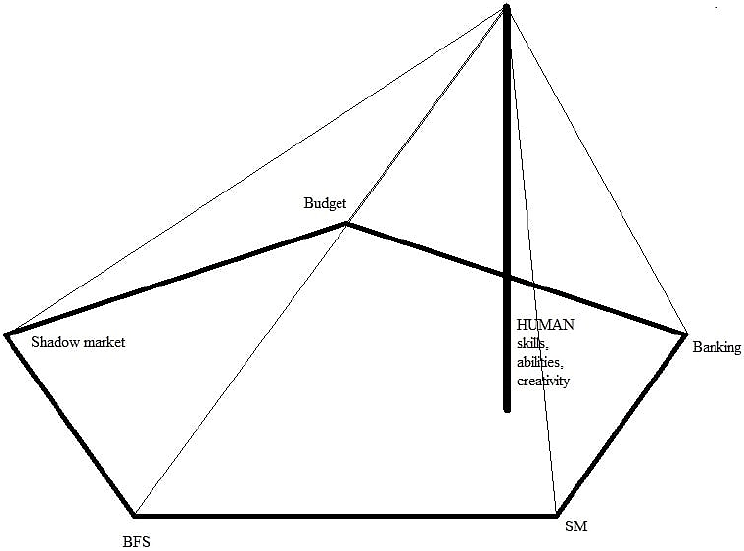
Additional key players in these institutional interactions warrant attention. As Williamson (2000: 600) noted, “Mind being a scarce resource, cognitive specialization has economizing consequences”. This observation allows us to place human beings, empowered by artificial intelligence (AI), at the centre of the institutional analysis, emphasising the critical role of individuals in shaping and interacting with institutional frameworks. According to the proposed approach, the traditional focus on companies can be shifted to prioritise key market institutions, such as the banking system, the stock market, a shadow market, and state/local budget, with a human being – often in the role of an entrepreneur – occupying a central position. While Williamson suggested analysing “final goods markets and government procurement transactions” (Williamson, 2000: 603), this framework can be extended to include the stock exchange and state budgets as focal points. Informal relationships give rise to transactions within the shadow market mechanism, while the complexities of accessing bank financing can be conceptualised as a banking services mechanism. In this context, mechanisms are understood to encompass both the institutional outcomes and their organisational structures. These insights are further reinforced by North and Weingast (1989), who highlighted the pivotal role of formal institutional features – such as laws, political structures, judicial systems, and bureaucracies – in shaping the development of nation-states. While their framework was primarily applied to political institutions, its relevance extends equally to an analysis of market institutions.
A general model of human interaction with an institutional system, specifically within economic systems, can be conceptualised as a pyramid (Figure 1). In the broader context of political institutions, the base of the pyramid comprises key foundational elements, such as the judicial system, law enforcement, local governance, the electoral system, and mechanisms supporting business functionality. In the context of economic systems (as depicted in Figure 1), the base of the pyramid consists of alternative sources of capital, including the stock market (SM), the banking system, a shadow market, and budgets (both state and local). It also incorporates the mechanisms supporting business functionality (BFS), such as prior state investments in business creation, support, and training initiatives.
Source: Own elaboration.
In this framework, institutions are understood as mechanisms designed to satisfy specific societal needs. These mechanisms include not only rules and regulations but also the organisational structures that implement them. Consequently, the base of the pyramid represents the institutional foundation of the business environment. The height of the pyramid is determined by factors such as the average level of education, skills, creativity, and interaction with AI within a particular society. Microeconomic tools, such as indifference curves, can be used to introduce additional complexity to this model. The inherent strengths and weaknesses of each individual system influence the positioning of the base of the perpendicular, creating potential imbalances. Under certain conditions, such imbalances may render the entire structure unstable.
Institutional challenges and economic transformation in post-Soviet Ukraine
The restoration of Ukraine’s independence occurred in the absence of both fundamental political institutions and, more notably, market institutions. In this context, the process of privatisation – comprising of both ‘small’ and ‘large’ privatisations – inevitably led to the oligarchisation of the state. A similar set of challenges confronted the neighbouring Russian economy, further complicated by the persistence of post-imperial thinking and the lack of long-established traditions of private rights and property tolerance. While the latter could be partially addressed through the establishment of private ownership institution, the former drove the state back towards a pre-Soviet administrative system. This process developed alongside a measure of consensus between emerging oligarchic clans and remnants of the Soviet-era elites, particularly those associated with the security services. Ultimately, the former oligarchs lost out to the entrenched power of the Soviet-era elites. Today, the oligarchy and the security service elites in Russia can be viewed as a single, integrated entity.
Neighbouring European countries, in the context of their rapprochement with the European Union, were compelled to undergo effective transformations to adapt to EU institutions. As a result, the privatisation processes in these countries yielded markedly different outcomes. However, these outcomes cannot be viewed as homogeneous. For instance, Hungary, often at odds with the EU’s legal standards, presents a stark contrast to the highly adaptable and dynamic small state of Estonia.
It is important to emphasise that Ukraine’s institutional development did not begin in a vacuum after independence. The western regions of the country inherited a distinct tradition of local entrepreneurship, cooperative finance, and civic self-organisation that had evolved under Austro-Hungarian and Central European legal systems. In the late 19th and early 20th centuries, the emergence of cooperative banking and business associations – such as local credit unions, trade chambers, and producer cooperatives – created mechanisms of horizontal trust and decentralised decision-making. Figures such as the Baczewski brothers, Robert Doms, and Josef Breuer – the first president of the Lviv Chamber of Commerce and Industry – illustrate the integration of business activity with civic and institutional development. Even the involvement of church leaders in financial institutions reflected a broader social consensus on the importance of community-based finance and mutual responsibility.
These early institutional experiences contributed to the formation of what may be termed proto-institutional capital, i.e. the ability of local actors to self-organise, manage resources collectively, and sustain market activity under diverse political regimes. Although these traditions were disrupted by Soviet centralisation and later weakened by post-Soviet oligarchisation, their legacy persists in the modern forms of local entrepreneurship, civic engagement, and regional governance. The collective memory of cooperative institutions continues to shape the behaviour of small and medium enterprises, influencing their preference for local networks over formal market mechanisms. Consequently, understanding Ukraine’s contemporary institutional challenges requires recognising this long historical continuity between informal cooperation, regional autonomy, and the pursuit of institutional modernisation.
Beyond the structural and economic legacies of transition, Ukraine’s institutional trajectory has been profoundly shaped by its sociocultural and demographic contexts. The interaction between formal governance structures and informal norms remains a defining feature of the country’s institutional behaviour. Historically, collective modes of organisation and high interpersonal trust within local communities have both coexisted with low institutional trust in state authorities, producing a dual system of governance that alternates between cooperation at the local level and distrust towards centralised institutions.
Demographic dynamics have also played a crucial role. Large-scale emigration, especially of skilled labour, has weakened the domestic base of human capital and fiscal capacity, while the growing role of remittances has created informal financial linkages that partly substitute for institutional mechanisms. This pattern, though stabilising household incomes, reinforces the fragmentation of formal economic governance.
The ongoing war has further intensified these socio-institutional asymmetries. Wartime displacement and population loss have both disrupted traditional social networks, yet have simultaneously stimulated new forms of civic cooperation, volunteerism, and local self-organisation. These emergent networks act as substitute institutions that fill governance gaps, demonstrating the resilience of social capital even under extreme stress. However, the durability of these informal mechanisms remains uncertain once the context of emergency subsides.
In cultural terms, the persistence of patron–client relationships, inherited from the Soviet administrative culture, continues to shape expectations towards power and reciprocity. While such informal norms may facilitate short-term coordination, they often inhibit the establishment of transparent, rule-based governance. Therefore, the strategy of institutional reform in Ukraine must account for these social and cultural variables – trust, collective identity, demographic change, and wartime adaptation – as endogenous components of institutional performance rather than as exogenous constraints.
These social, cultural, and wartime dynamics have produced a complex environment in which institutional evolution cannot be understood solely through formal economic or legal frameworks. Instead, Ukraine’s institutions continue to emerge at the intersection of inherited social norms, collective experiences of crisis, and regional patterns of economic behaviour. This interplay between informal cooperation and weak formal governance has historically generated both institutional fragility and adaptability. In this respect, the roots of contemporary institutional practices can be traced to the earlier traditions of local entrepreneurship and cooperative organisation that developed in western Ukraine and neighbouring Central European regions. These traditions – anchored in civic participation, mutual trust, and community-based economic networks – offer valuable historical precedents for understanding how Ukraine’s society continues to balance informality, resilience, and the pursuit of institutional modernisation.
The role of oligarchic influence and institutional failures in Ukraine’s banking and stock market systems
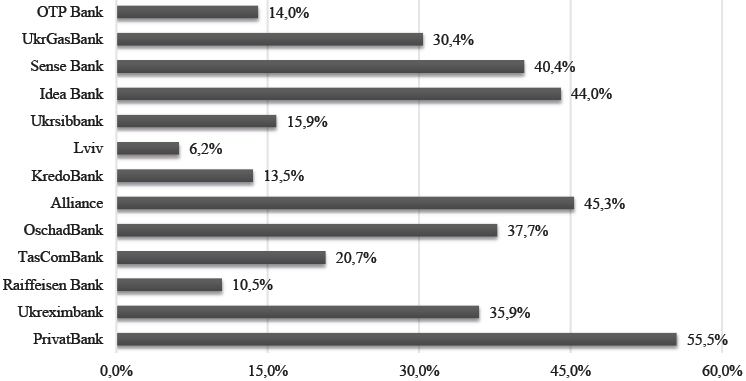
How did Ukrainian oligarchs address the issue of minimising transaction costs? It is evident that they achieved this by establishing a pervasive presence across all state institutions. This dominance ensured favourable conditions for their participation in privatisation processes, control over the media, access to highly profitable state procurement contracts, subsidies for specific industries, and support for particular monopolistic groups, among other advantages. This situation has undoubtedly led to significant issues regarding the quality of the banking system and stock market institutions. While the phenomenon of zombie banking in Japan is widely recognised (even if it is still somewhat obscured today; see: Nakamura, 2023), fewer discussions focus on the far more troubling indicators of this issue in Ukraine. One can continue to speak of inflation targeting, employing sophisticated terms and expressions, but when the share of non-performing loans (NPLs) in a country’s banking system remains above 40% for many years, business planning, current lending, and budgeting appear akin to a business floundering in shallow waters. Moreover, even the introduction of state administration into troubled banks – most notably Privatbank – did little to resolve the underlying problems, as the decision to concentrate all problematic assets of the banking system in a single bank proved to be an imprudent strategy (see Figure 2). The war, often cited as an excuse for economic woes, cannot be used to explain this, as even before its escalation, two Russian banks with NPL ratios exceeding 90% had been operating in the Ukrainian banking sector. This raises the following question: what is the role of a bank if its primary activity involves lending to its co-founders while utilising deposits from individuals and legal entities to do so? Additionally, when a malfunctioning judicial system allows the collateral for loans to be rendered meaningless or payments to be delayed for decades, the real story of Privatbank from a few years ago becomes clearer (see Privatbank, 2024). The introduction of government management has not altered this situation, as NPLs remain at this untenable level.
Source: Own elaboration based on data from National Bank of Ukraine (2024).
The case of Privatbank not only underscored issues within Ukraine but also highlighted broader European challenges. The consequences of the Sarbanes–Oxley Act in the United States and the reasons behind its adoption are well-known. Prior to its enactment, audit companies had often placed too much value on maintaining favourable relationships with their clients, resulting in the issuance of overly positive audit opinions. In Ukraine, despite Privatbank’s apparent financial difficulties, the bank received a positive opinion from PricewaterhouseCoopers (PwC), only to face a practical rejection of this opinion a year later from Ernst & Young (Privatbank, 2024). The auditors lacked the fortitude to question the absence of adequate collateral and the lack of transparency in the bank’s financial calculations. It is clear that the involvement of foreign institutions within Ukraine’s banking sector, though present, was misaligned and ultimately unhelpful in addressing these critical issues.
A similarly concerning situation has unfolded within Ukraine’s stock market. It is challenging to find substantial recommendations from the World Bank or the European Bank for Reconstruction and Development advocating for Ukraine to align its stock market institutions with international standards. This issue has not been a focal point of discussion. The ongoing war has further devastated what little infrastructure was in place. Prior to the onset of the conflict, several domestic companies, primarily in the agricultural sector, had been listed on the Warsaw Stock Exchange; however, the number of such listings has steadily declined since the war’s escalation. The underlying issue appears not only to stem from overly ambitious market expectations but also from the nature of Ukraine’s oligarchic business model, which has shown little regard for the interests of minority shareholders.
The examination of the Ukrainian stock market across five distinct stages provides a nuanced understanding of how sociopolitical and economic conditions influence market dynamics, as reflected in returns, volatility, and risk-adjusted metrics (Table 1).
| The period of optimisation | Optimal portfolio | The description of the results |
|---|---|---|
| Positive Expectations |
(AST.WA, 0.36395), (IMC.WA, 0.56543), (KSG.WA, 0.07063) |
Expected annual return: 1257.2% |
| Annual volatility: 35.7% | ||
| 01.11.2024 – 20.12.2024 | Sharpe Ratio: 35.18 | |
| Active Phase of War | (AST.WA, 1.0) | Expected annual return: 23.9% |
| 24.02.2022 – 11.01.2024 | Annual volatility: 57.2% | |
| Sharpe Ratio: 0.38 | ||
| Pandemic |
(AGT.WA, 0.05011), (AST.WA, 0.07512), (CLE.WA, 0.39718), (IMC.WA, 0.39011), (KSG.WA, 0.08748) |
Expected annual return: 139.3% |
| 03.01.2020 – 02.24.2022 | Annual volatility: 70.4% | |
| Sharpe Ratio: 1.95 | ||
| Inactive Phase of War | (AGT.WA, 1.0) | Expected annual return: 7.7% |
| 01.01.2014 – 03.01.2020 | Annual volatility: 71.4% | |
| Sharpe Ratio: 0.08 | ||
| Peak of Oligarchy |
(AST.WA, 0.29346), (IMC.WA, 0.70654) |
Expected annual return: 19.1% |
| 01.01.2012 – 01.01.2014 | Annual volatility: 31.2% | |
| Sharpe Ratio: 0.55 |
Note: The portfolio includes only those companies that remain listed on the Warsaw Stock Exchange.
Source: Own elaboration based on historical data from Yahoo.finance.
During the Positive Expectations period (November–December 2024), the market exhibited extraordinary performance, characterised by exceptionally high returns coupled with moderate volatility. This phase reflected an environment of optimism, likely driven by favourable macroeconomic signals and speculative confidence. The risk-adjusted returns reached unprecedented levels, indicative of an alignment between market expectations and perceived opportunities for growth, fostering a uniquely favourable investment climate.
In contrast, the Active Phase of War (2022–2024) underscored the adverse effects of ongoing conflict on market performance. This period was marked by suppressed returns and heightened volatility, reflecting pervasive uncertainty and diminished investor confidence. Portfolio concentration in relatively stable assets highlighted the limited options available to investors in such a turbulent environment. The low risk-adjusted returns further emphasised the challenges posed by political instability and economic dislocation.
The Pandemic phase (2020–2022) presented a complex scenario shaped by global health and economic crises. While market volatility remained elevated, suggesting uncertainty, the period also demonstrated resilience with comparatively robust returns. The diversification observed in portfolios during that time indicates strategic efforts by investors to mitigate risks and capitalise on emerging opportunities. Despite the challenges, this phase showcased the market’s capacity for recovery and adaptation under adverse circumstances.
Meanwhile, the Inactive Phase of War (2014–2020) was characterised by stagnation, with minimal returns and persistent high volatility. This period highlighted the lingering effects of systemic weaknesses within the economy and financial sector. The absence of active conflict did not translate into economic revitalisation, reflecting deep-seated structural issues and a lack of confidence among market participants. The subdued risk-adjusted returns further underscore the limited efficacy of institutional mechanisms in driving growth during this phase.
The last phase, namely the Peak of Oligarchy (2012–2014), revealed the constraints imposed by an oligarchic economic structure. While returns during this phase were moderate, the low volatility indicated a controlled market environment dominated by a few influential entities. This lack of diversity and competitiveness inhibited innovation and market dynamism. The modest risk-adjusted returns were emblematic of an environment where growth opportunities were constrained by entrenched power dynamics and institutional deficiencies.
This specific example, despite involving a limited number of companies, highlights the responsiveness of markets to political and economic imbalances as well as underscores the critical importance of institutional mechanisms. Recent trends have further demonstrated the traditional impact of expectations on price and risk dynamics. Accordingly, Ukrainian companies and the broader market, such as businesses in any other country, require robust institutional regulation and access to growth opportunities.
Institutions’ interaction modelling
What if we seek to forecast the outcomes of institutional interactions within the context of a single state? This method necessitates identifying the long-term strategies employed by each institution, either by leveraging the extensive repository of strategies available within the tournament framework or by developing customised strategies using appropriate Python programming expertise. Is such institutional determination feasible? In our view, it can be. For illustration, clear examples can be drawn from local self-governance in Switzerland, where direct citizen participation in governance is a cornerstone, or from the United States stock market, which prioritises the interests of small shareholders in contrast to the bank-centric financial systems prevalent in Europe. Islamic banking also provides a relevant example. All of these cases illustrate established institutions with clearly identifiable and describable strategic approaches. Table 2 presents a model of institutional interactions, illustrating the relationships between various institutional actors in Ukraine and comparing them to those in the United Kingdom and in Poland. The analysis period is not specified, since the selected strategies are the result of long-term interactions and can maintain their functionality on the basis of both formal and informal institutions.
| Players, game descriptions | Game type | Ranking |
|---|---|---|
| BackStabber, Prober4, Memory One Player, Memory Two Player, Knowledgeable Worse And Worse, Evolved ANN turns = 1500, noise = 0.4 |
Game 1 Chicken |
Memory Two Player, Knowledgeable Worse and Worse, Memory One Player, Prober 4, Evolved ANN, BackStabber |
|
Short Memory, Resurrection, Tricky Cooperator, BackStabber, Grumpy, Evolved ANN turns = 1500, noise = 0.4 |
Game 2 Chicken |
Tricky Cooperator, Short Memory, Resurrection, Grumpy, BackStabber, Evolved ANN |
| Looker Up, MemoryTwoPlayer, Cooperator, Handshake, Defector Hunter, Evolved ANN |
Game 3 Stag Hunt Game |
LookerUp, Defector Hunter, Cooperator, Generic Memory Two Player, Evolved ANN, Handshake |
| Tricky Cooperator, Memory One Player, Short Memory, Stalker, Defector Hunter, EvolvedANN |
Game 4 Stag Hunt Game |
Short Memory, Stalker, Defector Hunter, Evolved ANN, Generic Memory One Player, TrickyCooperator |
Source: Own elaboration.
Game 1: Ukraine – ‘Chicken’ Game
In Game 1 (Table 2), the ‘Chicken’ game is used to model the interaction between various institutional players in Ukraine, reflecting a highly risky and unstable environment. The players include ‘Memory Two Player’, ‘Knowledgeable Worse and Worse’, ‘Memory One Player’, ‘Prober 4’, ‘Evolved ANN’, and ‘BackStabber’, each of which/whom represents different institutional strategies:
- Memory Two Player – suggests that past actions have a significant influence on future decisions (especially for the banking system). In the context of Ukraine, where historical memory (especially regarding the Soviet past) still plays a role in political and economic decisions, institutions that rely on collective memory or historical precedent may struggle to move beyond ingrained patterns, even when these are detrimental.
- Knowledgeable Worse and Worse – reflects a pessimistic view of the future, where players expect things to worsen over time. It is consistent with the state of many informal markets (such as Ukraine’s shadow market) and the banking system, where corruption, inefficiency, and the lack of transparency have resulted in a system that becomes increasingly unstable over time.
- Memory One Player – here, the institutional focus is on short-term memory or current events rather than on historical patterns. In Ukraine’s environment, this could suggest a focus on immediate economic or political opportunities without a long-term vision for reform or stability, contributing to the continued oligarchisation of the economy.
- Prober 4 – the strategy, which evaluates retaliatory and provocative defections, fits with the high level of tension and competition within Ukraine’s institutional environment. It reflects the pervasive insecurity and risk-taking behaviours in the business and political systems.
- Evolved ANN, grounded in a pre-trained neural network, could symbolise the growing role of technology, data analytics, and machine learning in modern economic systems. At the same time, this approach underscores the continued involvement of human decision-making, enhanced and augmented by AI operating under analogous principles.
- BackStabber – a strategy of betrayal, which is highly fitting in Ukraine’s environment, where oligarchs and political elites often engage in deceit and opportunistic behaviour in order to gain personal advantage, leading to a breakdown of trust in institutions.
It is important to note the fluid and adaptive nature of the described strategies as well as the potential for their adoption and adaptation across different institutional contexts.
Thus, the Ukrainian system is depicted as a highly volatile and uncertain environment where historical memory, corruption, and short-term opportunism dominate the interactions between institutions. The strategies of ‘BackStabber’ and ‘Knowledgeable Worse and Worse’ reflect a deep mistrust in institutions and a sense that the situation can only continue to deteriorate. The noise (or randomness) factor suggests that the future is highly unpredictable, given the external and internal pressures faced by Ukraine’s institutions.
Game 2: Ukraine – ‘Chicken’ Game (Political Institutions)
Game 2 (Table 2) models the dynamics of Ukraine’s political institutions through a ‘Chicken’ game framework, where players must decide whether to cooperate or defect, with each player’s strategy impacting the larger political landscape. The strategies that emerge in this game are:
- Tricky Cooperator – indicates a cooperative stance but with a hidden agenda. In Ukraine’s political system, where trust in politicians is often low and political alliances are frequently fluid, Tricky Cooperator represents the opportunistic cooperation that often underpins political deals among elites, especially when they benefit from ambiguity.
- Short Memory – reflects short-term thinking or memory, which can be characteristic of political decision-making in Ukraine, where quick, tactical decisions often prevail over long-term strategic planning. Political leaders may prioritise immediate gains or survival over the pursuit of lasting institutional reforms.
- Resurrection – represents the ability to make a comeback after failure. In the context of Ukraine, where political and economic instability has been frequent, ‘Resurrection’ symbolises the repeated cycles of imitated reform, collapse, and recovery that characterise the country’s post-independence history.
- Grumpy – implies a strategic defecting approach, driven by frustration or dissatisfaction with the system. It could be seen as a reflection of the general disillusionment with political institutions in Ukraine, where public dissatisfaction is high, but the willingness to work within the system is often low.
- BackStabber – as in Game 1, this strategy appears in Game 2 to reflect the pervasive culture of betrayal in Ukraine’s political landscape. In a system dominated by oligarchs and state capture, this strategy is a natural consequence of the competition for resources and power. However, in the context of the business environment, this can also lead to a loss of patience, as constantly-changing rules can create instability and unpredictability for businesses.
- Evolved ANN – similar to Game 1, this strategy based on neural networks introduces a level of complexity, symbolising the modern technological approach to understanding political dynamics. In Ukraine, however, this is complicated by unpredictable and erratic shifts in political power.
Consequently, the political institutions in Ukraine are characterised by a high degree of uncertainty, short-term thinking, and opportunism. The strategies employed (such as ‘Tricky Cooperator’ and ‘BackStabber’) illustrate the transactional and competitive nature of Ukraine’s political landscape, where alliances are often temporary and betrayal is common. These institutional dynamics make long-term stability and reform challenging.
Game 2 also explores the prospects of local self-governance and even suggests its potential priority in some situations. The results suggest that, even in the face of substantial obstacles, local self-governance strategies can gradually outperform competing institutional strategies. This occurs over time, as local self-governance displays more flexibility and adaptability, including occasional unconventional actions. The strategy’s long-term success is particularly noticeable when the noise level is reduced to 10%, which has a negligible impact on the model. The ability of local self-governance to succeed, despite the challenges, can manifest even under the escalation of hostilities, as seen in Ukraine’s complex political environment. However, the absence of legal status for territorial communities, coupled with the lack of corresponding legislation in Ukraine, renders the prospect of such an orientation highly illusory.
Game 3: UK Political Institutions – ‘Stag Hunt’ Game
In the context of Game 3 (Table 2), which models the interaction between key political institutions in the UK, the game structure is based on the ‘Stag Hunt’ game, which involves two Nash equilibria: one representing mutual cooperation and the other representing mutual defection. The ‘Stag Hunt’ scenario is particularly relevant for understanding the dynamics of cooperation in political and institutional settings, where parties may face the choice between pursuing a shared goal (cooperation) and acting independently for individual gain (defection).
The results of Game 3 (Table 2) suggest that certain institutional strategies emerge as more effective than others, with ‘Looker Up’, ‘Defector Hunter’, and ‘Cooperator’ ranking highly. These strategies can be seen as reflective of the broader institutional dynamics at play in the UK:
- Looker Up – indicates a focus on information-gathering and evaluation before making decisions, which aligns well with the UK’s political system, which relies heavily on an informed electorate and a transparent judicial system. In contexts such as public governance, information-sharing and the ability to evaluate options carefully lead to more successful cooperation.
- Defector Hunter is reflective of political systems where there is a need for vigilance against those who might seek to undermine cooperation for individual gain. This strategy may correlate with the UK’s political culture of accountability, where various checks and balances ensure that defection is punished and individuals must justify their actions.
- Cooperator – cooperation is a desirable outcome in any democratic society, especially in a political system where cooperation between the public and government institutions is necessary for effective governance. The UK has, at various points, demonstrated strong cooperation between public and private institutions, contributing to its stability. But in this context, we are primarily addressing the dependent status of local governance in the UK, which implies a certain level of willingness to cooperate under various conditions.
Additional strategies such as ‘Generic Memory Two Player’, ‘Evolved ANN’, and ‘Handshake’ are also noteworthy. They illustrate the role of memory, long-term strategy, and adaptive behaviour in shaping institutional relationships. The incorporation of ‘Evolved ANN’ reflects the idea that modern institutions, through data and technology, increasingly rely on adaptive strategies that can predict outcomes and learn from past decisions. These strategies, while still aligning with cooperation, offer a more nuanced view of how institutional dynamics evolve.
The game reveals that cooperation remains the optimal strategy when institutional actors (i.e. government, judiciary, and electorate) align their goals. However, the possibility of defection remains present, highlighting the tension between mutual benefit and individual gain, which is characteristic of democratic institutions such as that of the UK. This reflects a fundamental aspect of modern governance, where transparency, accountability, and a focus on public good are necessary but must be balanced against the potential for self-interested actions.
Game 4: Poland – ‘Stag Hunt’ Game
Game 4 (Table 2) models the interaction between political institutions in Poland using the ‘Stag Hunt’ game framework, which emphasises the possibility of mutual cooperation or defection. The game’s players and their strategies reflect Poland’s institutional dynamics, particularly in the context of self-governance:
- Short Memory – suggests a preference for immediate gains rather than long-term cooperation. In Poland, where self-governance plays a central role, this might reflect the frequent emphasis on local, pragmatic decision-making that can occasionally overlook long-term strategic goals.
- Stalker – indicates a more aggressive and opportunistic approach, typically aligned with politicians or institutions that seek to control or manipulate local governance for personal gain. This strategy is often linked to political parties or individuals who seek to dominate local self-governance structures for their benefit. However, in the case of an entrepreneur, such behaviour in the market can be entirely Schumpeterian and thus justified, as it aligns with the notion of creative destruction.
- Defector Hunter – present in all games analysed, it remains relevant in Game 4, highlighting the vigilance required to detect and punish defections. In Poland, where political institutions value transparency and accountability, Defector Hunter underscores the need for active oversight of political behaviour to maintain trust in governance.
- Evolved ANN – represents a modern approach to navigating complex political systems. In the context of Poland, it highlights how modern political actors may increasingly rely on data-driven, predictive models to anticipate political behaviour, though local self-governance still often involves more traditional decision-making.
- Generic Memory One Player – suggests a focus on past interactions with a single player, highlighting the importance of personal relationships in local governance. This can reflect the decentralised, community-based decision-making that has long characterised Poland’s self-governance structures, where local officials often rely on personal networks.
- Tricky Cooperator – represents a political actor who acts cooperatively but with hidden motives. In Poland’s complex political landscape, this strategy illustrates the balance between cooperation and self-interest, especially in the competitive environment of local politics.
In Poland, local self-governance plays a critical role in defining the stability of other institutions. The Stag Hunt game shows that cooperation between political actors can lead to mutually beneficial outcomes, yet defection remains a potential risk. ‘Short Memory’ and ‘Stalker’ highlight the opportunistic behaviour that occasionally undermines broader cooperation, but the success of Poland’s self-governance system is evident in the long-term advantages of Cooperation as shown by Defector Hunter and Tricky Cooperator.
Thus, the Polish version of the model (Game 4, Table 2) further confirmed the central role of local self-governance in the stability and functioning of the state. This institution, in fact, plays a decisive role in shaping the effectiveness of other institutional structures. If we examine the historical trajectory of European countries, local self-governance has often served as a foundational pillar for broader societal and political stability. In the context of Poland, the strength of local governance institutions is indicative of a larger European trend, where local self-rule has historically provided both stability and resilience against centralisation. It is hoped that the formal process of community consolidation in Poland will be complemented by the introduction of transparent and effective mechanisms, allowing smaller entities the opportunity to function autonomously and independently within the broader institutional framework.
In a similar vein, Ukraine’s modern stability can be viewed as a long-term consequence of historical institutional legacies, such as the Magdeburg law, which granted cities certain levels of autonomy. This legal framework, which had been prevalent in many Central and Eastern European cities, contributed to the development of local governance institutions that persisted through centuries. Even at the genetic level, the experience of direct governance over much of the territory, particularly in urban areas, can be considered a defining feature that shapes the dynamics of modern Ukraine.
The econophysical approach to an economic system – the case of Ukraine
A significant range of works has emerged in which physical concepts and methodologies are employed to examine economic phenomena. One of the most extensively studied areas within this framework is the distribution of returns in financial markets (Mirowski, 1989; Bouchaud, Cont, 1998; Sornette, 2003; Farmer, Joshi, 2002). This approach has also been applied to an analysis of income and wealth distribution (Levy, Solomon, 1997; Drăgulescu, Yakovenko, 2001; Chatterjee, Yarlagadda, Chakrabarti, 2005), as well as the distribution of economic shocks and variations in growth rates (Bak, Chen et al., 1993; Canning et al., 1998). Additionally, the distribution of company sizes and growth rates has been investigated using similar methods (Stanley et al., 1996; Takayasu, Okuyama, 1998).
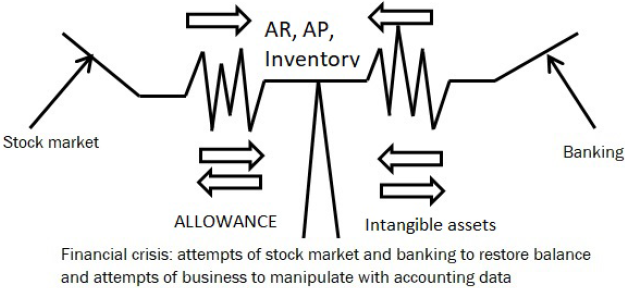
With some deepening of this approach in a developed or developing stock market, the accessibility of corporate accounting data can facilitate the detection of institutional influences, which can be analysed through basic and vibrating economic forces (Figure 3).
Source: Own elaboration.
The approach for determining the role of transaction costs associated with a specific type, based on the strategy of capital, was discussed earlier. Econophysics offers a way to further diversify this process. In this context, all forces acting within the system can be categorised into the main forces and vibrational forces. Similar to the pyramid of institutions, we encounter analogous forces in this scenario. The system becomes more complex, because vibrational forces are part of transaction cost mechanism. These forces arise, for example, when managing inventory, accounts receivable, or accounts payable: having a larger volume of such resources requires higher payments. However, unlike fixed systemic influences, these forces are more easily adjusted and are often a matter of managerial choice rather` than an inherent characteristic of the system. These vibrational forces include receivables, payables, inventories, bad debt provisions, goodwill, and other intangible assets, as a perfect market for intangibles does not exist. Figure 3 illustrates a situation typical of Ukraine: a stock market that is barely functioning (further constrained by wartime disruptions in official securities circulation and weaknesses in the supporting mechanisms), a banking system burdened with a high share of non-performing loans, and long-standing attempts over the past two decades to manipulate liabilities in order to resolve working capital problems. This model demonstrates, at the enterprise level, the unstable nature of transaction costs, emphasising the necessity of considering the institutional mechanism as an integrated whole.
Conclusions and implications for institutional stability and governance
Transaction cost economics posits that the governance of contractual relations is primarily achieved through institutions of private ordering rather than legal centralism. This framework is rooted in the behavioural assumptions behind bounded rationality and opportunism, which reflect the actual human nature (Stone, 1986: 1424). However, it can be argued that the term ‘legal centralism’ may not be entirely adequate as a competitor to private ordering. As evidenced in the cases of Ukraine, Russia, and several other nations, private property does not function effectively without mechanisms for coordination, control, and value measurement.
The results of institutions’ interaction modelling reveal a clear contrast between the institutional dynamics in Ukraine, Poland, and the United Kingdom. Ukraine’s institutional environment is plagued by corruption, oligarchic control, and short-term opportunism, leading to economic instability and political fragmentation. In contrast, Poland and the UK benefit from stronger, more cooperative institutions, having at the same time their own spectrum of unresolved issues in the field of institutional interaction.
Ukraine’s experience (in Game 1 and Game 2) shows how historical legacies can shape the behaviour of political and economic institutions. The country’s struggle against oligarchic control, inherited from the Soviet era, hampers the ability of institutions to develop along more cooperative lines. As seen in Game 1, the ‘BackStabber’ strategy, often used by oligarchic players (represented in business unities), reflects a constant battle for resources and control, with little regard for long-term strategic cooperation. Poland and the UK, however, benefit from institutional legacies that favour cooperation, transparency, and the rule of law. In the case of the UK, Game 3 illustrates that the country’s historical emphasis on individual rights plays a fundamental role in underpinning institutional stability. Similarly, Poland’s institutional stability is rooted in historical processes and experiences of self-rule, giving local governance and decentralisation an important role in modern governance.
In Game 1 (Ukraine), the ‘Memory Two Player’ and ‘Memory One Player’ strategies suggest that institutions are often focused on immediate returns and fail to build long-term strategies, contributing to political instability and oligarchic dominance. The lack of deep institutional memory prevents actors from considering long-term consequences, instead opting for short-term gains or opportunistic behaviour, as seen in the high noise levels and erratic decision-making of the ‘BackStabber’ strategy. In contrast, the UK’s ‘Memory Two Player’ in Game 3 and ‘Poland’s Tricky Cooperator’ in Game 4 demonstrate how institutional memory and longer-term strategies provide a more stable governance model. The ‘Stag Hunt’ equilibrium allows both countries to move towards sustainable cooperation in key political and economic sectors, based on the assumption that cooperation leads to mutually beneficial outcomes over time.
The high noise level in Ukraine’s games (especially in Game 1) reflects a chaotic environment, exacerbated by corruption, weak institutions, and a lack of transparency. ‘Knowledgeable Worse and Worse’, a strategy marked by defections and manipulations, highlights how entrenched corruption in Ukraine’s systems undermines efforts to establish a functioning economy or a political system. The high levels of NPLs and informal markets (a shadow economy) further compound the volatility in the financial and economic systems. Poland and the UK, by contrast, operate in environments with far less noise and greater institutional clarity. The ‘Defector Hunter’ and ‘Cooperator’ strategies in Game 4 and Game 3, respectively, suggest that these countries’ institutions are more resilient to external shocks and can adapt and cooperate in times of crisis. Poland’s focus on local self-governance and the UK’s transparent judicial system both contribute to reducing noise and increasing stability, enabling smoother economic and political operations.
Ukraine’s economic institutions, particularly the banking system and the stock market, remain highly dysfunctional, with oligarchic interests dominating the financial landscape. In Game 1, the strategies that mimic opportunistic behaviour (‘Prober 4’, ‘BackStabber’) reflect the challenges posed by a non-transparent financial system and a lack of legal recourse. Privatbank’s crisis and the banking sector’s high NPLs serve as a clear example of how economic systems struggle when institutions are not structured to foster trust or transparency. Poland, with its relatively stable financial systems and cooperative strategies (e.g. ‘Cooperator’ in Game 4), shows that fostering trust, transparency, and accountability in key economic sectors is critical for long-term success. While the UK in Game 3 does not emphasise economic models directly, its institutional stability and ability to adapt to external shocks (such as Brexit or financial crises) both demonstrate the importance of creating adaptive, transparent, and well-regulated economic institutions.
Ukraine is still in a process of aligning its institutions with long-term strategies. The ‘Evolved ANN’ strategy in Game 1, based on the neural-network approach to strategy optimisation, indicates that Ukraine’s institutions are still struggling to find their optimal long-term strategy due to fragmented and incoherent institutional behaviour. This creates a mismatch between the state’s goals and the actions of its institutions, which remains a major barrier to effective governance. Poland and the UK have more mature, cohesive institutional frameworks that are better aligned with their long-term strategic goals. Game 4 in Poland shows that local self-governance is critical in aligning national strategies with the needs and values of local populations, which, in turn, strengthens national cohesion. In the UK, the ‘Cooperator’ and ‘Memory Two Player’ strategies in Game 3 emphasise the importance of institutional strategies that align with broader societal goals, contributing to stability and adaptability in the face of challenges.
Thus, the interdisciplinary framework combining institutional economics, game theory, and econophysics allows for an empirical evaluation of the proposed hypotheses. The first hypothesis (H1), which links institutional coordination and transparency with macro-financial stability, is partially confirmed. Comparative game simulations between Ukraine, Poland, and the United Kingdom, along with the econophysical modelling of transaction costs, indicate that higher institutional coordination correlates with lower volatility and more stable cooperative equilibria. However, persistent oligarchic influence and the limited efficiency of enforcement mechanisms both continue to constrain full stabilisation of the Ukrainian institutional system.
The second hypothesis (H2), which associates stronger governance and regulatory oversight with lower transaction costs, is confirmed. The econophysical representation of “the main” and “vibrational” forces suggests that improvements in market regulation and transparency significantly reduce distortions related to hidden liabilities and bad debts. These findings are consistent with the observable reduction in “vibrational” components – such as speculative behaviour and non-performing assets – in more effectively supervised systems.
The third hypothesis (H3), which posits that effective local self-governance enhances economic and institutional resilience, is also confirmed. The local-level dynamics modelled in Game 2 demonstrate that self-governance strategies outperform competing institutional configurations in medium- to long-term equilibria, even under high uncertainty. This outcome supports the argument that decentralisation, civic participation, and fiscal autonomy all increase the adaptive capacity of institutions, particularly in times of crisis or conflict.
The fourth hypothesis (H4), connecting stronger legal enforcement with the development of transparent capital markets, is partially confirmed. Although the introduction of stricter financial oversight – exemplified by the nationalisation of Privatbank – has improved monitoring within the banking sector, weak judicial enforcement continues to undermine investor confidence and limit the deepening of capital markets. Nonetheless, the simulations indicate that enhancing the credibility and efficiency of enforcement mechanisms leads to greater cooperation between financial and regulatory actors as well as to more predictable market behaviour.
Finally, the fifth hypothesis (H5), linking higher levels of social capital and institutional trust with systemic stability, is confirmed in the comparative context. Cross-country analysis reveals that institutional environments characterised by higher levels of trust – such as those in Poland and in the United Kingdom – exhibit lower “noise” parameters and more sustainable cooperative equilibria. In contrast, the Ukrainian case underscores that rebuilding social trust and reinforcing the credibility of institutions both remain prerequisites for long-term stability.
The evidence highlights that Ukraine’s institutional system remnants in an extended state of transition – rooted in weak legal enforcement, oligarchic inertia, and limited institutional trust – continue to hinder the full realisation of cooperative and transparent institutional equilibria.
Moreover, recent research on post-conflict recovery and institutional reconstruction provides critical insights relevant to Ukraine’s future economic transformation. Studies in the emerging field of the economics of conflict emphasise that wars not only destroy capital and infrastructure but also reconfigure incentive structures and patterns of institutional cooperation (Blattman, Miguel, 2010). In the Ukrainian context, these dynamics are evident in the adaptive behaviour of companies and local communities under extreme uncertainty, which mirrors findings from post-conflict economies such as Bosnia, Georgia, and Croatia (Collier, 2003; World Bank, 2023).
Current analyses by the IMF (2023) and OECD (2024), as well as the World Bank’s Ukraine Reconstruction Platform (2023–2025), converge on the argument that institutional recovery is the key determinant of sustainable reconstruction. These institutions stress that rebuilding formal governance systems – particularly fiscal administration, judicial enforcement, and capital-market regulation – must proceed simultaneously with social reintegration, trust restoration, and reinvestment in human capital.
Integrating these perspectives into Ukraine’s policy framework suggests that post-war recovery should not be viewed merely as an economic challenge but as a process of institutional reconstruction. The re-establishment of credible institutions – those capable of enforcing contracts, allocating resources transparently, and facilitating cooperation among diverse actors – will determine whether Ukraine’s transformation evolves towards stability and inclusive growth or reverts to a pattern of oligarchic capture. This aligns with the theoretical proposition of this study that institutional coordination and social trust are the primary drivers of long-term resilience in post-conflict economies.
Policy recommendations and institutional reform pathways
The convergence of these findings and recent international research underscores that Ukraine’s post-war recovery must be approached as a comprehensive process of institutional reconstruction rather than a purely economic endeavour. The evidence presented in this study complements the emerging consensus among global financial institutions that sustainable growth depends on transparent governance, credible enforcement, and the restoration of institutional trust. The results also point to several directions for institutional and policy reform that could enhance Ukraine’s long-term economic stability and accelerate post-war reconstruction.
- 1. Strengthening the rule of law and judicial enforcement
- A reform of the judicial and enforcement systems must be prioritised to reduce the transaction costs associated with uncertainty and opportunism. A transparent and predictable legal environment, particularly in the enforcement of commercial and property rights, is a prerequisite for restoring investor confidence. Special attention should be given to the protection of minority shareholders and the consistent application of insolvency and securities regulations. These reforms would address the key weaknesses identified in Hypothesis H4 and mitigate the systemic “noise” that undermines market cooperation.
- 2. Enhancing the independence and transparency of financial institutions
- Reducing oligarchic influence in the banking and capital markets requires the establishment of genuinely independent regulatory bodies with publicly accountable decision-making processes. The transparency of ownership structures, auditing standards aligned with EU and OECD norms, and the separation of political and financial interests are all essential to lower the “vibrational forces” in the financial system, as revealed by the econophysical analysis. Such measures would help convert informal or speculative interactions into stable, rule-based institutional behaviour.
- 3. Empowering local self-governance as a stabilising institutional mechanism
- The evidence from game-theoretic modelling confirms that self-governance strategies outperform centralised or opportunistic institutional forms in long-term equilibria. Therefore, decentralisation policies should be continued and deepened, with greater fiscal autonomy for municipalities, transparent local budgeting, and participatory decision-making. Empowered local institutions can serve as buffers against both political instability and economic shocks, reinforcing resilience at the grassroots level.
- 4. Building institutional trust and social capital
- The comparative results indicate that social capital and public trust are critical determinants of systemic stability. Institutional communication strategies, civic education, and open-data initiatives should therefore accompany economic reforms. Strengthening the credibility of public institutions – especially through transparency in procurement, public appointments, and anti-corruption mechanisms – will reduce perceived uncertainty and increase cooperative behaviour among market participants.
- 5. Integrating reconstruction finance with an institutional reform
- The post-war reconstruction of Ukraine must not only rebuild infrastructure but also strengthen the institutions that govern economic transactions. International assistance (from the EU, the IMF, the World Bank, and other partners) should be tied to measurable improvements in governance, transparency, and decentralisation. Reconstruction funds can serve as catalysts for institutional learning, stimulating cooperation between central and local authorities, private enterprises, and civil society.
- 6. Developing a national institutional monitoring framework
- Finally, a system of continuous institutional monitoring – combining macroeconomic indicators (such as NPL ratios, market volatility, and capital inflows) with governance metrics (local transparency, enforcement efficiency, trust indices) – would allow policymakers to detect early warning signals of instability. Such a system would operationalise the interdisciplinary insights of this study, bridging empirical modelling with real-time policy evaluation.
In conclusion, the interdisciplinary approach adopted in this study – linking institutional economics, game theory, and econophysics – demonstrates that the stability of economic systems depends not merely on market efficiency, but on the capacity of institutions to cooperate, adapt, and enforce credible rules of interaction. Ukraine’s institutional trajectory, though marked by persistent oligarchic influence and systemic fragility, reveals significant potential for transformation through enhanced transparency, local self-governance, and the strengthening of legal and social trust. The partial confirmation of the study’s hypotheses underscores that institutional change is an evolutionary rather than revolutionary process – one that unfolds through gradual alignment of incentives, norms, and enforcement mechanisms. If Ukraine succeeds in embedding cooperative equilibria within its economic and political institutions, the country could not only stabilise its domestic economy but also serve as a model of institutional reconstruction for other post-conflict and transition economies.
Autorzy
Bibliography
Ancev, T., Harris, M. 2006. Pigou and Coase Re-Visited: Ethics, Norms, and Markets-Implications for Environmental and Resource Economics. 33rd Australian Conference of Economists (ACE), Sydney, September 27–30, 2006.
Axelrod, R. 1980. Effective Choice in the Prisoner’s Dilemma. Journal of Conflict Resolution 24, pp. 3–25. https://www.jstor.org/stable/173932
Axelrod, R., Hamilton, W.D. 1981. The Evolution of Cooperation. Science 211(4489), pp. 1390–1396. https://doi.org/10.1126/science.7466396
Axelrod, R., Keohane, R.O. 1985. Achieving Cooperation under Anarchy: Strategies and Institutions. World Politics 38(1), pp. 226–254. https://doi.org/10.2307/2010357
Bak, P., Chen, K., Scheinkman, J., Woodford, M. 1993. Aggregate Fluctuations from Independent Sectoral Shocks: Self-organized Criticality in a Model of Production and Inventory Dynamics. Ricerche Economiche 47(1), pp. 3–30. https://doi.org/10.1016/0035-5054(93)90023-V
Blattman, C., Miguel, E. 2010. Civil War. Journal of Economic Literature 48(1), pp. 3–57.
Bouchaud, J.P., Cont, R. 1998. A Langevin Approach to Stock Market Fluctuations and Crashes. European Physical Journal B 6(4), pp. 543–550. https://doi.org/10.1007/s100510050582
Canning, D., Amaral, L.A.N., Lee, Y., Meyer, M., Stanley, H.E. 1998. Scaling the Volatility of GDP Growth Rates. Economics Letters 60, pp. 335–341.
Carbonara, E., Curry, P.A., Hill, C.A., Parisi, F. 2024. Institutional Flexibility in Tax Law and Enforcement. International Review of Law and Economics 79, 106215. https://doi.org/10.1016/j.irle.2024.106215
Chatterjee, A., Yarlagadda, S., Chakrabarti, B.K. (eds.). 2005. Econophysics of Wealth Distributions. Springer.
Coase, R. 1959. The Federal Communications Commission. Journal of Law and Economics 2(2), pp. 1–40.
Collier, P. 2003. Breaking the Conflict Trap: Civil War and Development Policy. World Bank & Oxford University Press.
Drăgulescu, A.A., Yakovenko, V.M. 2001. Exponential and Power-Law Probability Distributions of Wealth and Income in the United Kingdom and the United States. Physica A 299(1–2), pp. 213–221. https://doi.org/10.1016/S0378-4371(01)00298-9
Dragun, A.K., O’Connor, M.P. 1993. Property Rights, Public Choice, and Pigouvianism. Journal of Post Keynesian Economics 16(1), pp. 127–152. https://doi.org/10.1080/01603477.1993.11489973
Farmer, J.D., Joshi, S. 2002. The Price Dynamics of Common Trading Strategies. Journal of Economic Behavior and Organization 49, pp. 149–171.
Hahnel, R., Sheeran, K.A. 2009. Misinterpreting the Coase Theorem. Journal of Economic Issues 43(1), pp. 215–237. https://doi.org/10.2753/JEI0021-3624430110
Halpin, A. 2011. Coase’s World and Coase’s Blackboard. European Journal of Law and Economics 31(1), pp. 91–109. https://doi.org/10.1007/s10657-010-9199-2
Hamilton, W.H. 1987. The Institutional Approach to Economic Theory. In: R. Albelda (ed.), Alternatives to Economic Orthodoxy. Routledge. https://doi.org/10.4324/9781315494258
Hülsewig, O., Steinbach, A. 2021. Monetary Financing and Fiscal Discipline. International Review of Law and Economics 68, 106004. https://doi.org/10.1016/j.irle.2021.106004
IMF. 2023. Ukraine: Staff Concluding Statement of the 2023 Article IV Consultation. Washington, D.C.
Levy, M., Solomon, S. 1997. New Evidence for the Power-Law Distribution of Wealth. Physica A 242(1–2), pp. 90–94. https://doi.org/10.1016/S0378-4371(97)00217-3
Marchionatti, R., Gambino, E. 1997. Pareto and Political Economy as a Science: Methodological Revolution and Analytical Advances in Economic Theory in the 1890s. Journal of Political Economy 105(6), pp. 1322–1348. https://doi.org/10.1086/516395
Mirowski, P. 1989. More Heat Than Light: Economics as Social Physics. Cambridge University Press.
Mishan, E.J. 1967. Pareto Optimality and the Law. Oxford Economic Papers 19(3), pp. 255–287. https://doi.org/10.1093/oxfordjournals.oep.a041050
Nakamura, J. 2023. A 50-year History of “Zombie Firms” in Japan: How Banks and Shareholders Have Been Involved in Corporate Bailouts? Japan and the World Economy 66, 101188. https://doi.org/10.1016/j.japwor.2023.101188
National Bank of Ukraine. 2024. Loan Portfolio Quality (NPLs), https://bank.gov.ua/en/stability/npl (accessed: 01.11.2024).
North, D., Weingast, B. 1989. Constitutions and Commitment: The Evolution of Institutions Governing Public Choice in 17th-century England. Journal of Economic History 49(4), pp. 803–832.
OECD. 2024. Rebuilding Ukraine: Institutional and Fiscal Foundations for Recovery. Paris: OECD Publishing.
Ostrom, E. 2007. Institutional Rational Choice: An Assessment of the Institutional Analysis and Development Framework. In: Theories of the Policy Process (2nd ed.). Routledge. https://doi.org/10.4324/9780367274689
Peter, F. 2004. Choice, Consent, and the Legitimacy of Market Transaction. Economics and Philosophy 20(1), pp. 1–18. https://doi.org/10.1017/S0266267104001233
Privatbank audit reports. 2024. https://en.privatbank.ua/about/financial-statements (accessed: 28.12.2024).
Samuels, W.J. 1991. Institutional Economics. In: Companion to Contemporary Economic Thought. Routledge. https://doi.org/10.4324/9780203980118
Samuelson, P.A. 1995. Some Uneasiness with the Coase Theorem. Japan and the World Economy 7(1), pp. 1–7. https://doi.org/10.1016/0922-1425(94)00040-Z
Sornette, D. 2003. Why Stock Markets Crash: Critical Events in Complex Financial Systems. Princeton University Press.
Stanley, M.H.R., Amaral, L.A.N., Buldyrev, S.V., Havlin, S., Leschhorn, H., Maass, P., Salinger, M.A., Stanley, H.E. 1996. Scaling Behavior in the Growth of Companies. Nature 379, pp. 804–806. https://doi.org/10.1038/379804a0
Stone, A. 1986. The Economic Institutions of Capitalism: Firms, Markets, Relational Contracting. American Political Science Review 80, pp. 1424–1425.
Takayasu, H., Okuyama, K. 1998. Country Dependence on Company Size Distributions and a Numerical Model Based on Competition and Cooperation. Fractals 6(1), pp. 67–79. https://doi.org/10.1142/S0218348X98000080
Veljanovski, C.G. 1982. The Coase Theorems and the Economic Theory of Markets and Law. Kyklos 35(1), pp. 53–74. https://doi.org/10.1111/j.1467-6435.1982.tb01215.x
Ventura, A., Cafiero, C., Montibeller, M. 2016. Pareto Efficiency, the Coase Theorem, and Externalities: A Critical View. Journal of Economic Issues 50(3), pp. 872–895. https://doi.org/10.1080/00213624.2016.1213595
Williamson, J. 2002. Did the Washington Consensus fail? Speech at the Center for Strategic & International Studies, Washington. https://www.piie.com/commentary/speeches-papers/did-washington-consensus-fail (accessed: 23.02.2024).
Williamson, O.E. 1993. Calculativeness, trust, and economic organisation. Journal of Law and Economics 36(1, part 2), pp. 453–486. https://doi.org/10.1086/467284
Williamson, O.E. 1998. Transaction Cost Economics: How It Works; Where It Is Headed. De Economist 146(1), pp. 23–58. https://doi.org/10.1023/A:1003263908567
Williamson, O.E. 2000. The New Institutional Economics: Taking Stock, Looking Ahead. Journal of Economic Literature 38(3), pp. 595–613. http://www.jstor.org/stable/2565421
Williamson, O.E. 2002a. The Lens of Contract: Private Ordering. American Economic Review 92(2), pp. 438–443. https://doi.org/10.1257/000282802320191769
Williamson, O.E. 2002b. The Theory of the Firm as Governance Structure: From Choice to Contract. Journal of Economic Perspectives 16(3), pp. 171–195. https://doi.org/10.1257/089533002760278776
Williamson, O.E. 2010. Transaction Cost Economics: The Natural Progression. American Economic Review 100(3), pp. 673–690. https://doi.org/10.1257/aer.100.3.673
World Bank. 2023. Ukraine Relief, Recovery, Reconstruction and Reform Framework (3RF). https://www.worldbank.org/en/programs/urtf/overview
Footnotes
- 1 Game 1. Ukraine: Business Functioning System (conditions for formal entrepreneur) – BackStabber (‘even my patience has limits); Stock Market (highly risky, impossible to get fair value) – Hard Prober (or Prober4: counts retaliating and provocative defections of the opponent), mainly informal market; Budget (functions poorly, difficult to innovate, resistant to change) – Memory One Player (only the memory of one player matters); Banking System – Memory Two Player (manipulation of both the population and oligarchs simultaneously); Shadow Market – Knowledgeable Worse And Worse (or Defector) (this strategy is based on the ‘Worse and Worse’ approach but will defect with probability of ‘current turn/ total number of turns’ due to the lack of transparent mechanism and real contract); Human, not formal entrepreneur – Evolved ANN (A strategy based on a pre-trained neural network with 17 features and a hidden layer of size 10). High level of noise (randomness) can be explained by the significant shadow market, an overloaded banking system due to NPLs, and the persistence of Soviet-era mentality among some segments of the population, particularly in the East.
Game 2. Ukraine: Political Institutions. Judiciary – Short Memory, Election system – Resurrection, Self – governance system – Tricky Cooperator, Business functioning – BackStabber, law enforcement – Grumpy.
Game 3. United Kingdom. Political institutions. Judiciary – Looker Up, Election system – Memory Two Players, Self – governance system – Cooperator, Business functioning – Hand Shake, law enforcement – Defector Hunter. Stag Hunt Game allows getting two Nash Equilibriums: in position of mutual cooperation and in position of mutual defection.
Game 4. Poland. Judiciary – Tricky Cooperator, Election system – Memory One Player, Self – governance – Short Memory, Business functioning – Stalker, Law enforcement – Defector Hunter.
The winners of Axelrod tournaments are highlighted in bold, reflecting their strategic success. Notably, the strategies exhibit a wandering nature, characterised by adaptability and evolution, with the potential for inter-institutional borrowing and integration.